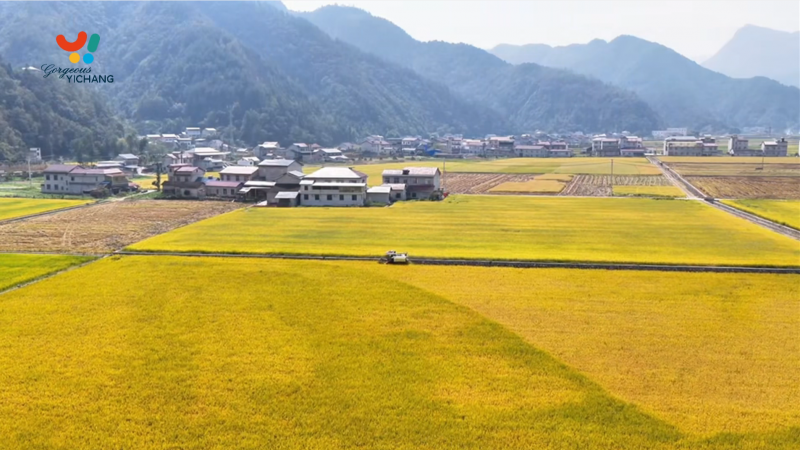
Blood Bark Maple nursery established to support large-scale propagation
2025-12-03 20:12:38
By Chen Zai
The Wanchao Mountain Nature Reserve has established a Blood Bark Maple propagation nursery, with large scale propagation set to begin soon. Supported by the Chinese Academy of Sciences, this initiative represents a major milestone in conserving this rare tree species.
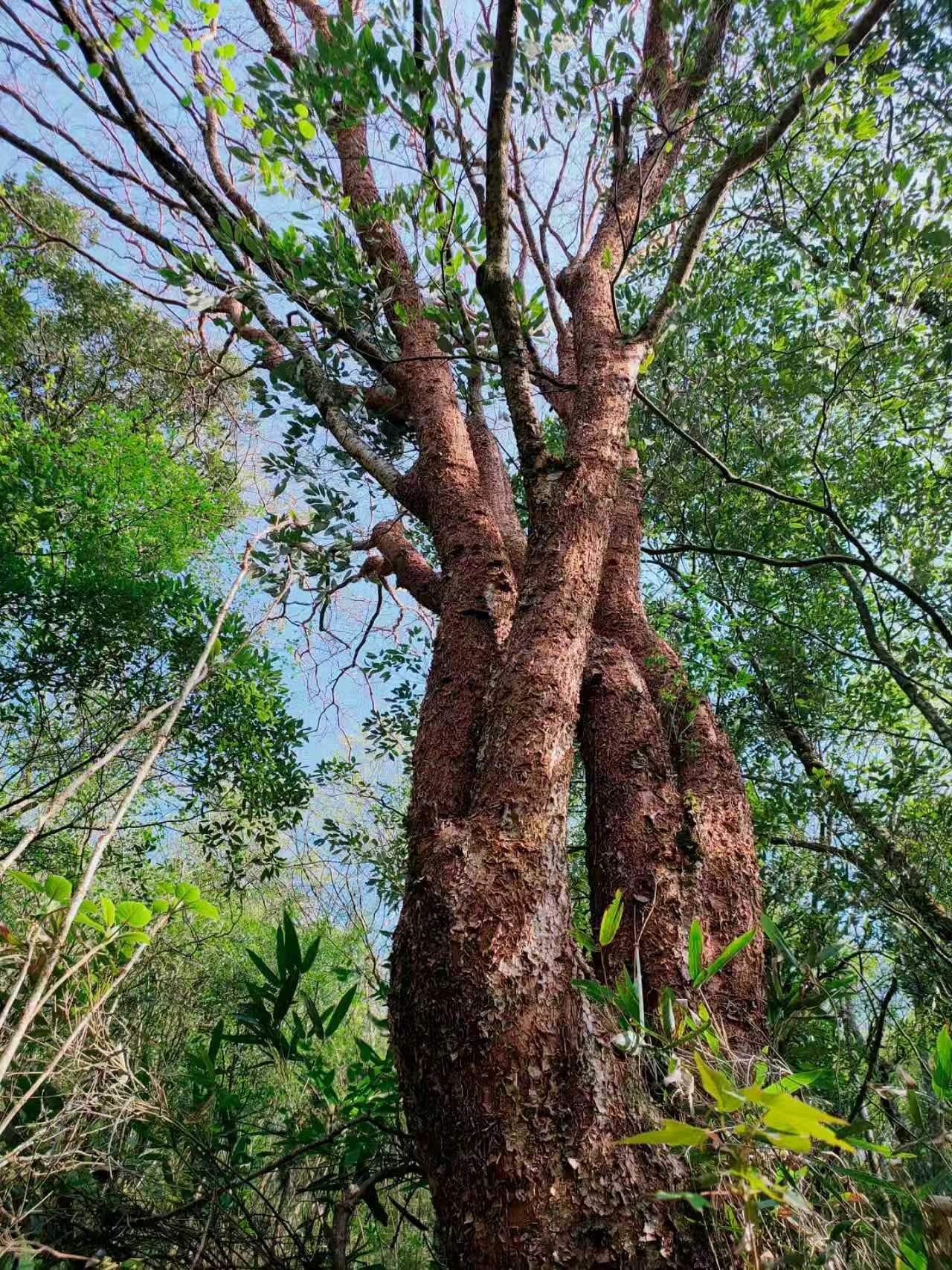
The Blood Bark Maple, endemic to China and critically endangered, is known for its distinctive bark that peels and renews several times a year, giving it high ornamental value and worldwide interest.
The reserve currently protects 885 specimens of Blood Bark Maple, Dove Tree, and Taiwania cryptomerioides. Among them, over 400 are Blood Bark Maple, including more than 200 trees that are over a century old, each with a trunk diameter of over 15 centimeters.
"This rich reservoir of resources provides a solid foundation for conducting germplasm resource surveys, permanent conservation, and subsequent propagation research," said Wang Xiangming, a director from the reserve’s resource protection division.
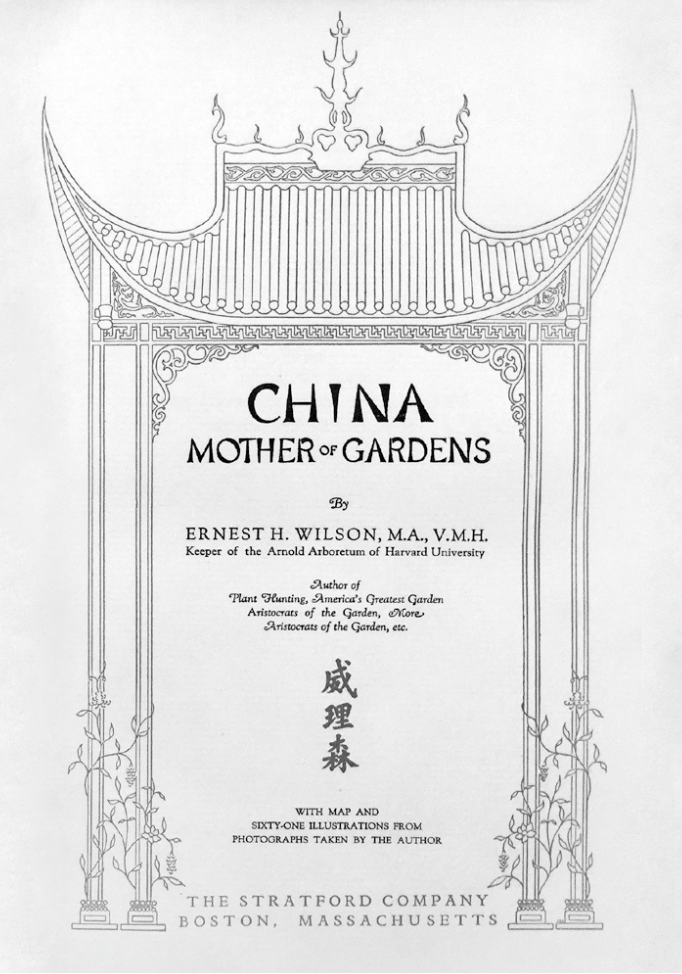
In the early 20th century, British plant collector Ernest Henry Wilson documented the Blood Bark Maple species during his exploration of Xingshan in Yichang, as detailed in his autobiography China: Mother of Gardens.
In 2014, the Morton Arboretum in the United States found that the sampled American Blood Bark Maple all came from seeds that Wilson originally collected from Xingshan. Today, these trees are displayed in prestigious gardens such as Harvard's Arnold Arboretum and the UK's Royal Botanic Gardens.
Zheng Yan contributed to this story
The Wanchao Mountain Nature Reserve has established a Blood Bark Maple propagation nursery, with large scale propagation set to begin soon. Supported by the Chinese Academy of Sciences, this initiative represents a major milestone in conserving this rare tree species.
A Blood Bark Maple in the Wanchao Mountain Nature Reserve, home to over 400 specimens of this plant.
The Blood Bark Maple, endemic to China and critically endangered, is known for its distinctive bark that peels and renews several times a year, giving it high ornamental value and worldwide interest.
The reserve currently protects 885 specimens of Blood Bark Maple, Dove Tree, and Taiwania cryptomerioides. Among them, over 400 are Blood Bark Maple, including more than 200 trees that are over a century old, each with a trunk diameter of over 15 centimeters.
"This rich reservoir of resources provides a solid foundation for conducting germplasm resource surveys, permanent conservation, and subsequent propagation research," said Wang Xiangming, a director from the reserve’s resource protection division.
In the early 20th century, British plant collector Ernest Henry Wilson documented the Blood Bark Maple species during his exploration of Xingshan in Yichang, as detailed in his autobiography China: Mother of Gardens.
Cover of the English edition of China: Mother of Gardens (1929)
In 2014, the Morton Arboretum in the United States found that the sampled American Blood Bark Maple all came from seeds that Wilson originally collected from Xingshan. Today, these trees are displayed in prestigious gardens such as Harvard's Arnold Arboretum and the UK's Royal Botanic Gardens.
Zheng Yan contributed to this story