Explore the Three Gorges: Safeguarding life in the heart of the Yangtze River
2026-01-05 22:01:09
By Chen Zai
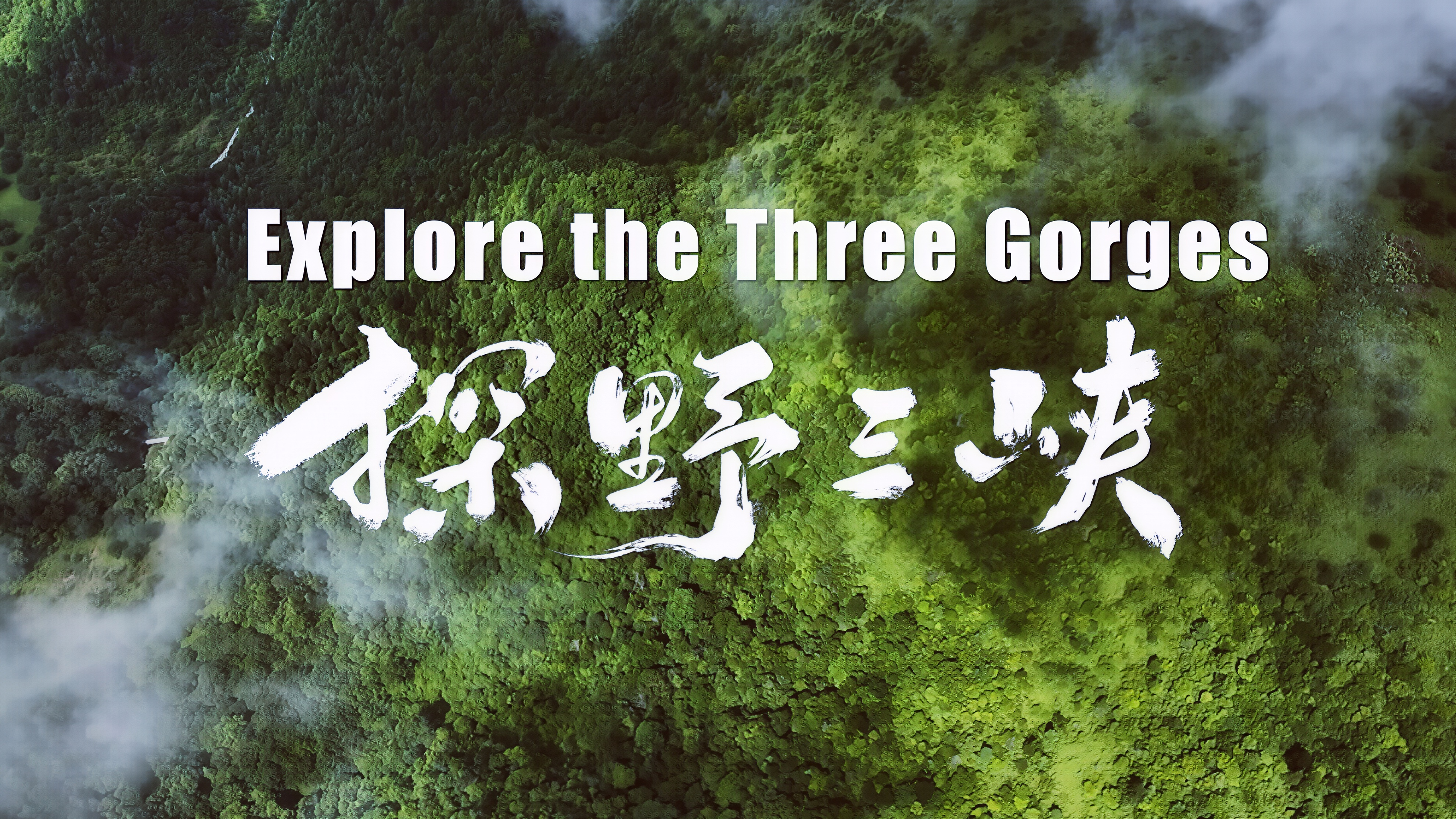
The documentary series Explore the Three Gorges by Yichang Three Gorges Media Center, recently premiered, presenting the majestic Three Gorges along the Yangtze River. Through visual storytelling, the series reveals the region's rich biodiversity and ecological significance.
The documentary series Explore the Three Gorges by Yichang Three Gorges Media Center, recently premiered, presenting the majestic Three Gorges along the Yangtze River. Through visual storytelling, the series reveals the region's rich biodiversity and ecological significance.
Explore the Three Gorges takes viewers into protected reserves along the Yangtze River, including the Hubei Dalaoling National Nature Reserve, the Hubei Badong Rhinopithecus roxellanae National Nature Reserve, and the Chongqing Wulipo National Nature Reserve.
The Three Gorges area, a key ecological shield for the Yangtze River Economic Belt, is not only rich in natural resources but also vital to maintaining the river's clarity.
The documentary focuses on three national nature reserves in the Three Gorges region. Following the footsteps of researchers, forest rangers, university students, and journalists, it shows how local communities integrate biodiversity conservation with Yangtze River protection, guided by the national policy to step up conservation of the Yangtze River and stop its overdevelopment.
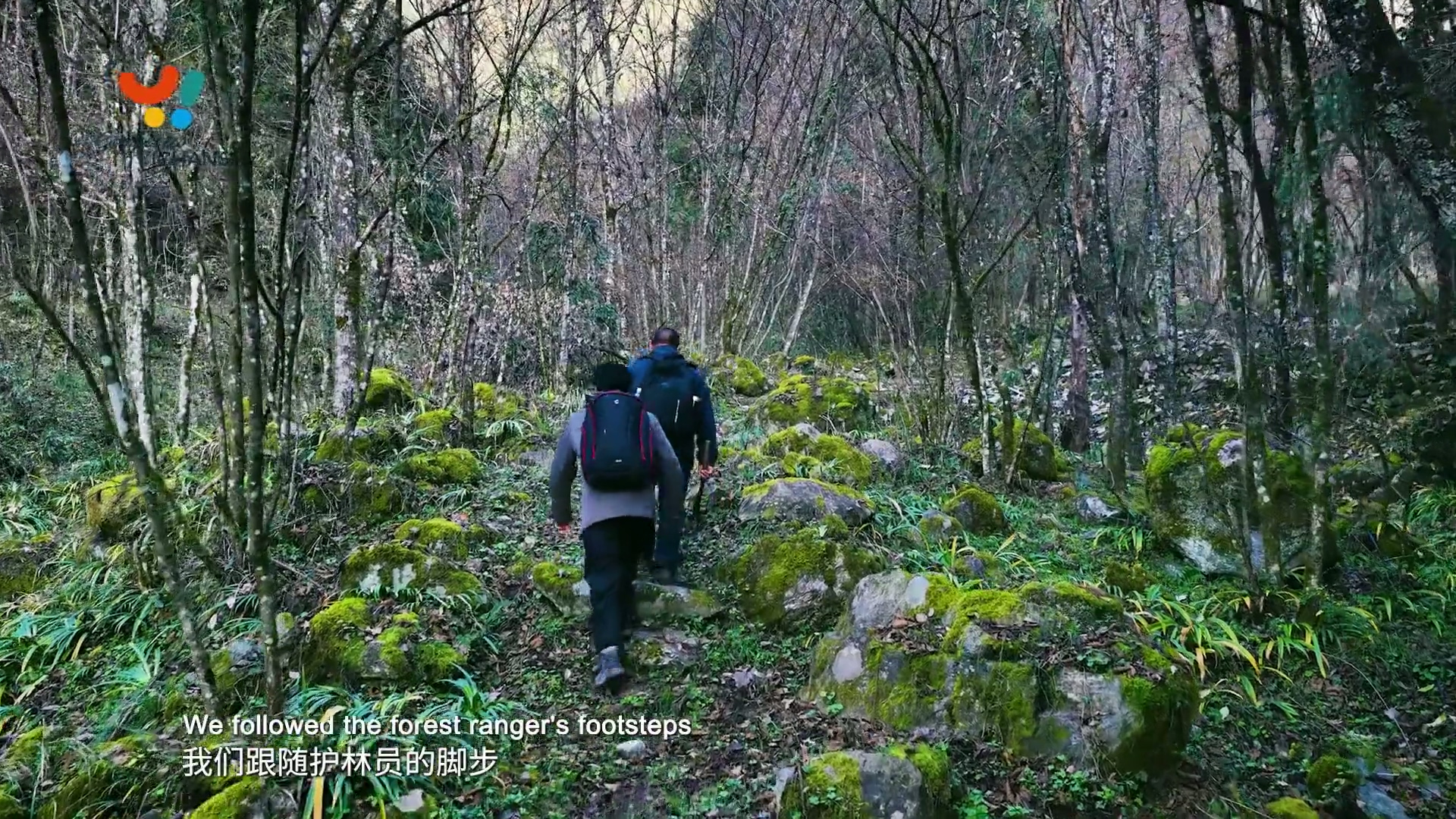
In Episode 2, university student Luo Xufeng and senior forest ranger Jiang Bangqiong explore the Hubei Badong Rhinopithecus roxellanae National Nature Reserve.
Explore the Three Gorges distinguishes itself from conventional macro-level narratives by focusing on individual stories: the dedicated guardians who journey through the mountains and forests daily. As one producer notes, "Our storytelling goes beyond policies. It centers on the people who enter the forests daily and the life they work to protect."
The journey begins at the Hubei Dalaoling National Nature Reserve, located on the northern bank of the Xiling Gorge. Forestry engineer Peng Gangzhi and reporter Hu Yikai trek nearly 1,900 meters in elevation, from the 145-meter riverside to the Three Gorges Cloud Top at 2,005 meters. Their ascent illustrates how animal and plant communities shift with altitude in subtropical mountain forests, highlighting each vegetation layer's indispensable role in the Yangtze River's ecological barrier.
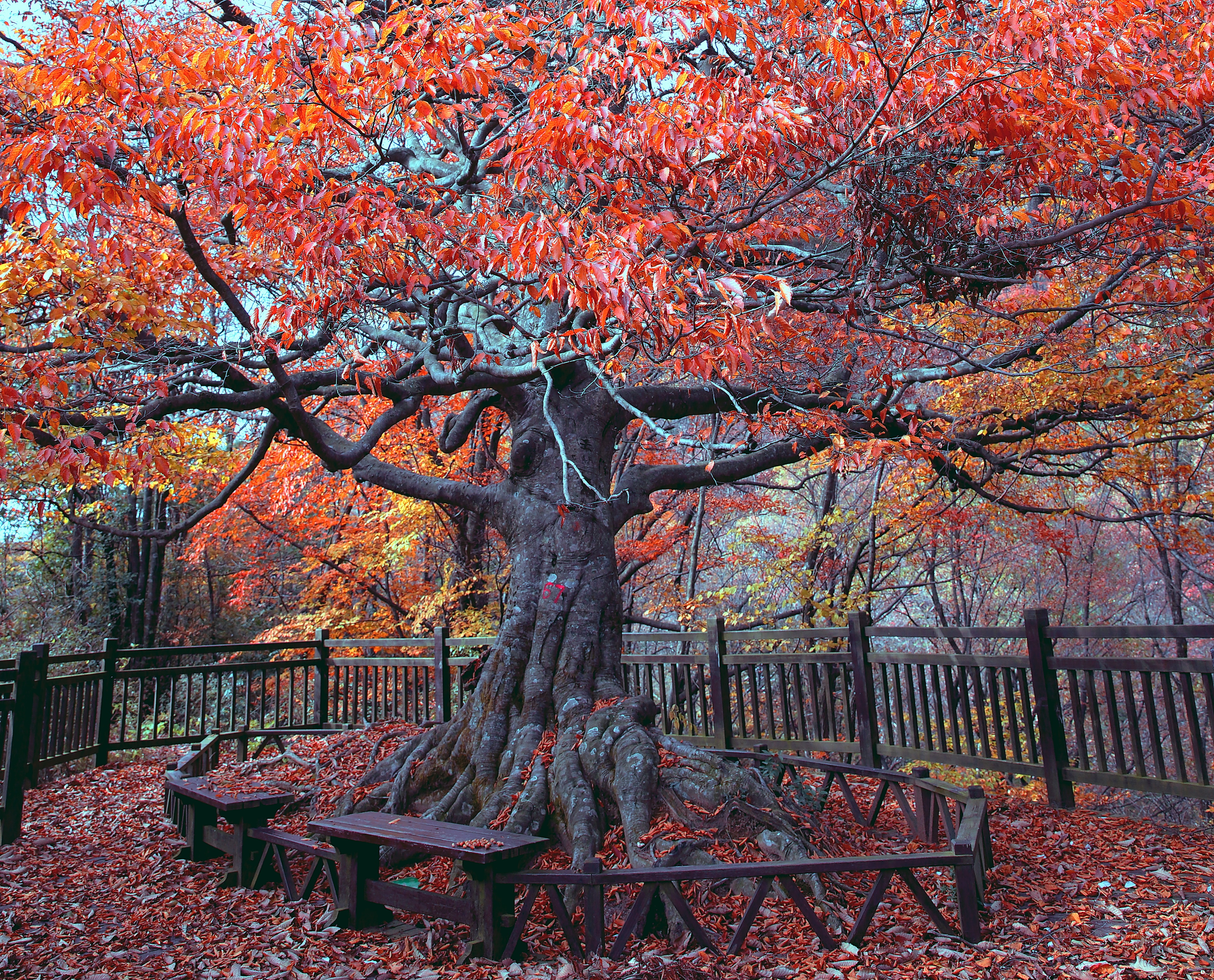
A thousand-year-old Fagus lucida in Hubei Dalaoling National Nature Reserve, carefully monitored and protected as part of the reserve's ancient tree conservation program.
The journey then moves upstream to Badong County in Hubei, where university student Luo Xufeng and senior forest ranger Jiang Bangqiong track the endangered Sichuan golden snub-nosed monkeys, a primate species endemic to China. The documentary captures the monkeys' natural behavior as they play along cliffs and leap through forest canopies, reflecting decades of habitat restoration and community involvement. The reserve's monkey population has rebounded to more than 800, exemplifying biodiversity recovery in the middle and upper reaches of the Yangtze River.
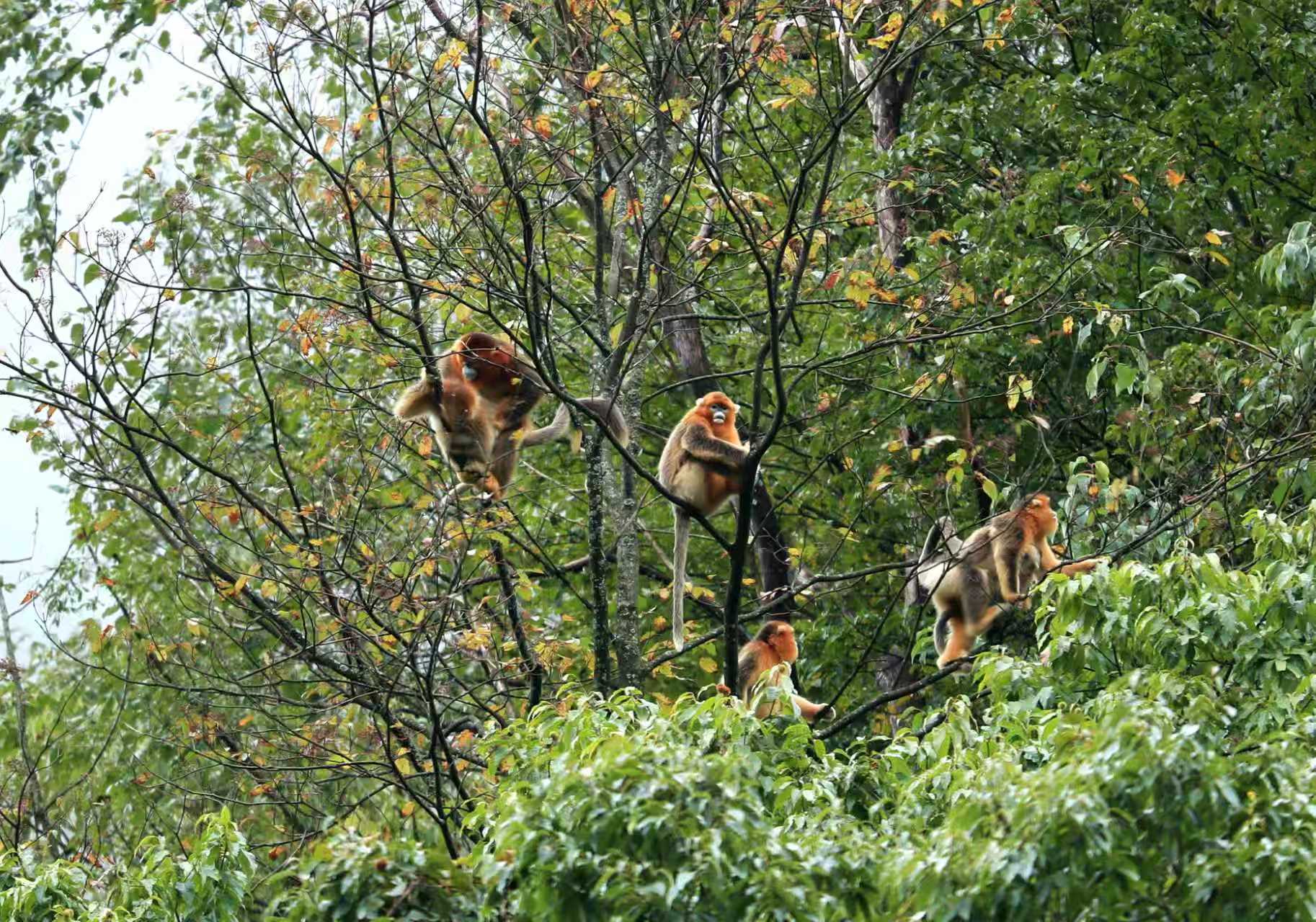
Over 800 Sichuan golden snub-nosed monkeys now thrive in the Hubei Badong Rhinopithecus roxellanae National Nature Reserve, thanks to years of conservation efforts.
The final episode takes viewers to the Chongqing Wulipo National Nature Reserve in Wushan, Chongqing, a dramatic karst landscape adjacent to Shennongjia in Hubei. A critical ecological corridor, Wulipo was inscribed on the UNESCO World Heritage List in 2021 as an extension of the Hubei Shennongjia World Natural Heritage Site. Here, reporter Chen Si and senior engineer Zhou Houlin travel through deep valleys to reach the Congping subalpine wetland at nearly 2,000 meters, searching for the Wushan salamander, an amphibian species endemic to China.
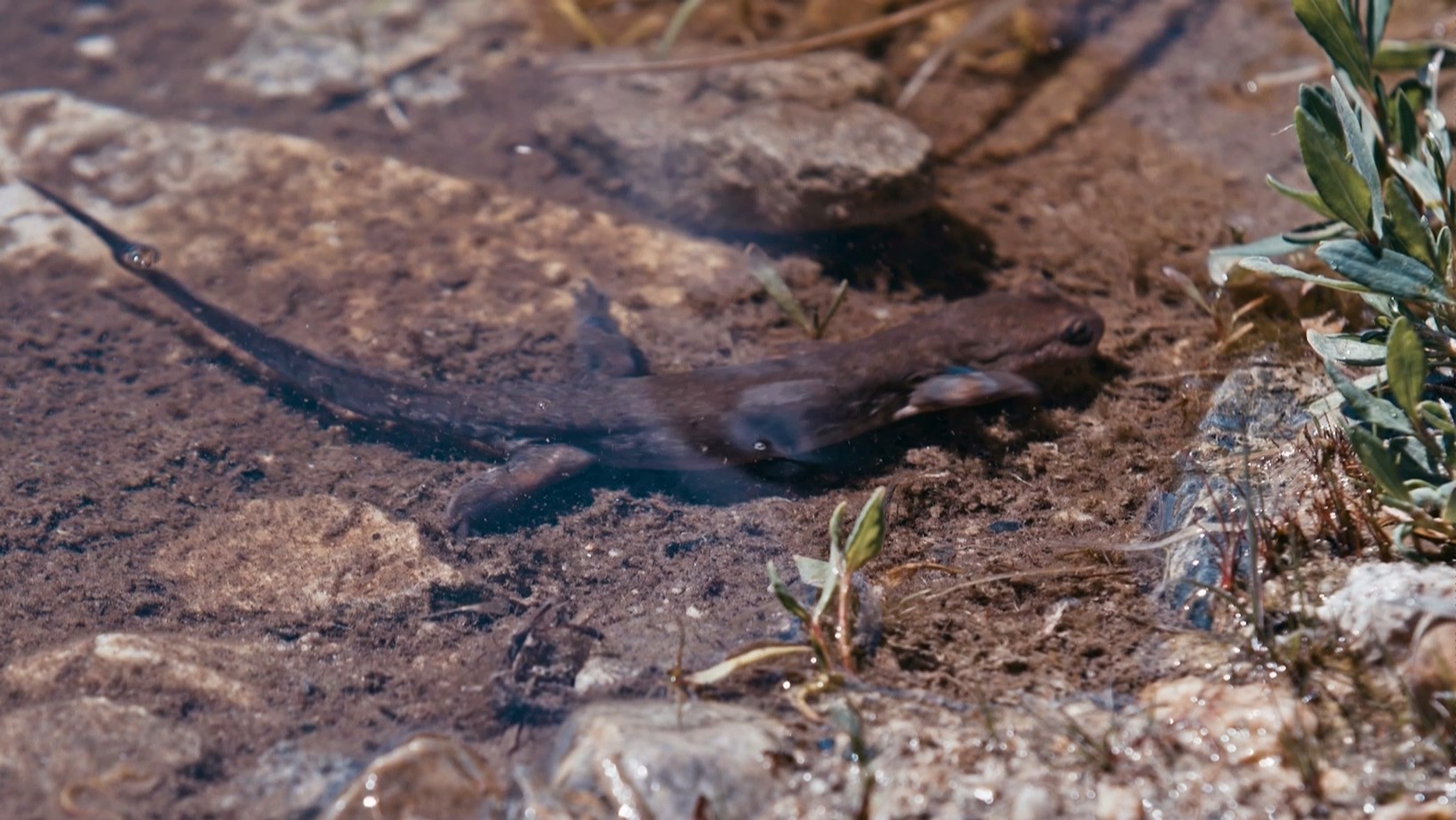
A Wushan salamander quietly living in the clear mountain stream of the Chongqing Wulipo National Nature Reserve.
Explore the Three Gorges reflects China's evolving approach to ecological conservation, shifting from earlier concepts of "human retreat" toward a model of coexistence between humans and nature. Rather than excluding people from protected areas, this approach emphasizes responsible participation and shared stewardship.
The idea of coexistence is also reflected in institutional and technological innovation. Cross-provincial ecological corridors, joint management among communities, and scientific participation by local residents all contribute to making conservation a shared responsibility. AI-powered infrared cameras, drone patrols, and ecological big data platforms provide intelligent support for safeguarding biodiversity across the Yangtze River basin.
"This region is a living laboratory for China's ecological civilization," said a forestry official involved in the production. "The practices here might offer valuable insights for mountainous regions around the world facing similar challenges."