Biotech firm begins trial operation of new cold-processing line
2026-07-01 19:07:42
By Chen Si.
A large biotechnology firm in Dangyang, Yichang, put its first HPP (High Pressure Processing) fruit and vegetable juice production line into trial operation on June 27.
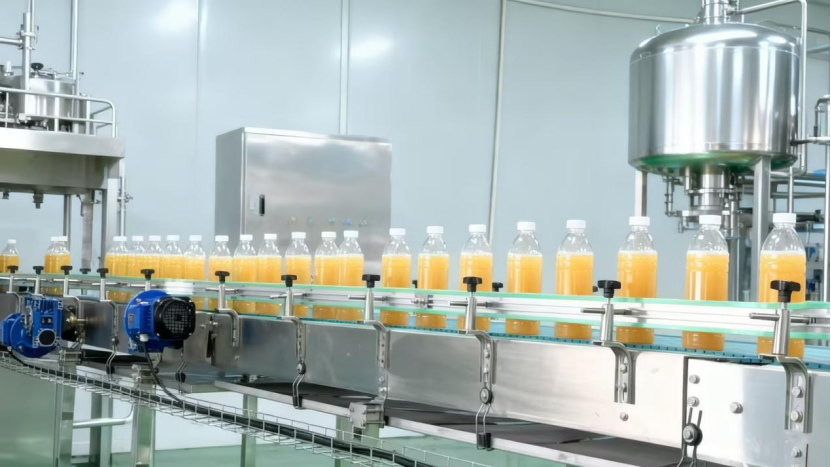
HPP technology eliminates microorganisms without using heat, preserving the original flavor and nutrients of fruits and vegetables to the greatest extent possible. It addresses long-standing industry challenges associated with traditional thermal sterilization, including nutrient loss and changes to the flavor and color of finished products.
The project has a total investment of 120 million yuan (US$17.6 million). When all three production lines reach full capacity, the plant is expected to generate an annual output value of 400 million yuan and annual profits and taxes of 50 million yuan. The second phase of the project is scheduled to begin construction in 2027.
The factory will create more than 100 new jobs and consume about 50,000 tons of locally grown fruit and vegetables each year, lifting the combined income of upstream growers and downstream logistics operators by more than 80 million yuan.
Dangyang is home to China’s largest fish mint plantation, covering 43,000 mu (2,866 hectares). In the past, most of the herbs were shipped out as fresh produce with little added value.
Wang Geming, chairman of the company, said HPP technology opens new high-value opportunities for local fish mint growers.
Industry data predicts China’s HPP fruit and vegetable juice market will surpass 28 billion yuan this year. Yiyang Biotechnology has already built a 60,000-square-meter plant with six production lines and currently generates an annual output value of 800 million yuan.
Zhang Kai, Zhao Lina, Liu Min also contributed to this story
A large biotechnology firm in Dangyang, Yichang, put its first HPP (High Pressure Processing) fruit and vegetable juice production line into trial operation on June 27.
The HPP fruit and vegetable juice production line.
HPP technology eliminates microorganisms without using heat, preserving the original flavor and nutrients of fruits and vegetables to the greatest extent possible. It addresses long-standing industry challenges associated with traditional thermal sterilization, including nutrient loss and changes to the flavor and color of finished products.
The project has a total investment of 120 million yuan (US$17.6 million). When all three production lines reach full capacity, the plant is expected to generate an annual output value of 400 million yuan and annual profits and taxes of 50 million yuan. The second phase of the project is scheduled to begin construction in 2027.
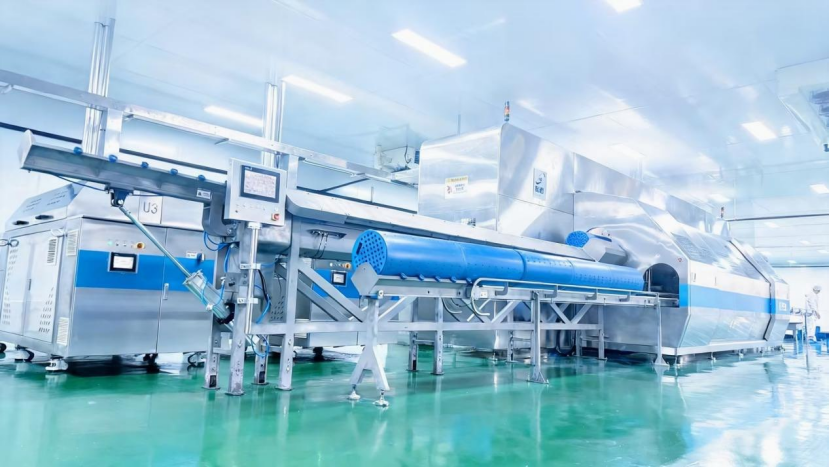
The HPP fruit and vegetable juice production line.
The factory will create more than 100 new jobs and consume about 50,000 tons of locally grown fruit and vegetables each year, lifting the combined income of upstream growers and downstream logistics operators by more than 80 million yuan.
Dangyang is home to China’s largest fish mint plantation, covering 43,000 mu (2,866 hectares). In the past, most of the herbs were shipped out as fresh produce with little added value.
Wang Geming, chairman of the company, said HPP technology opens new high-value opportunities for local fish mint growers.
Industry data predicts China’s HPP fruit and vegetable juice market will surpass 28 billion yuan this year. Yiyang Biotechnology has already built a 60,000-square-meter plant with six production lines and currently generates an annual output value of 800 million yuan.
Zhang Kai, Zhao Lina, Liu Min also contributed to this story