Qingjiang Sturgeon Valley hatches its first Chinese sturgeon fry
By Chen Zai
Qingjiang Sturgeon Valley has successfully induced spawning and hatched Chinese sturgeon using water from the Qingjiang River for the first time.
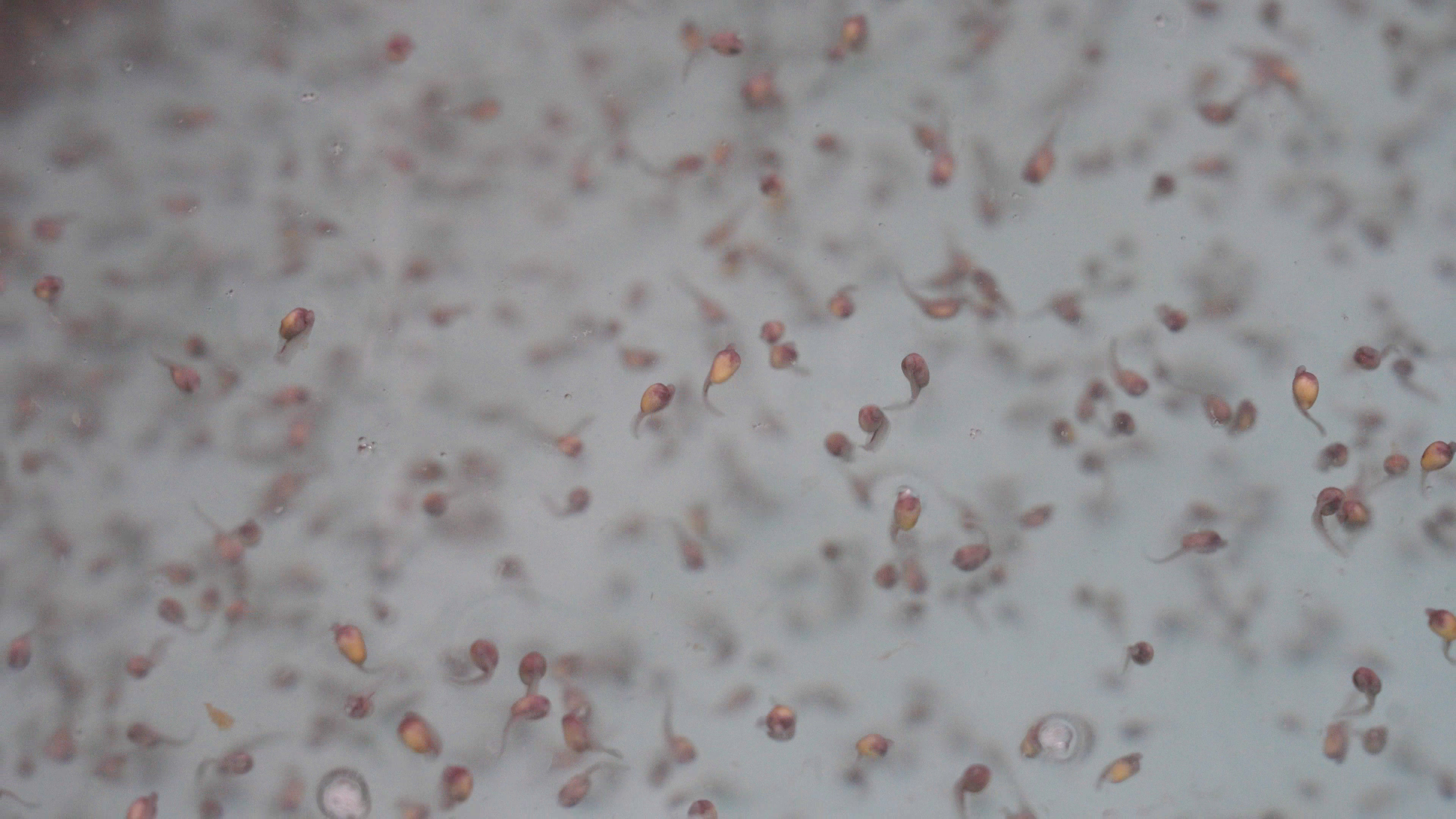
Artificially fertilized sturgeon eggs. Photo by Xiong Tingting.
The artificial fertilization rate exceeded 90 percent, with 400,000 fry produced this season, the Yidu-based company said.
Chinese sturgeon, a first-class protected species in China often called the “giant panda of the water,” requires high water quality and precise temperature control for breeding. Before induced spawning, broodstock undergo six months of nutrient-rich feeding, with careful management of water temperature and conditions that mimic winter.
The company uses untreated Qing River water, whose microorganisms and minerals support the spawning. Eggs hatch after three to four days in incubators, and the fry are then transferred to rearing pools. Once they reach a suitable size, they will be released into the Yangtze River in two batches, this December and next March.
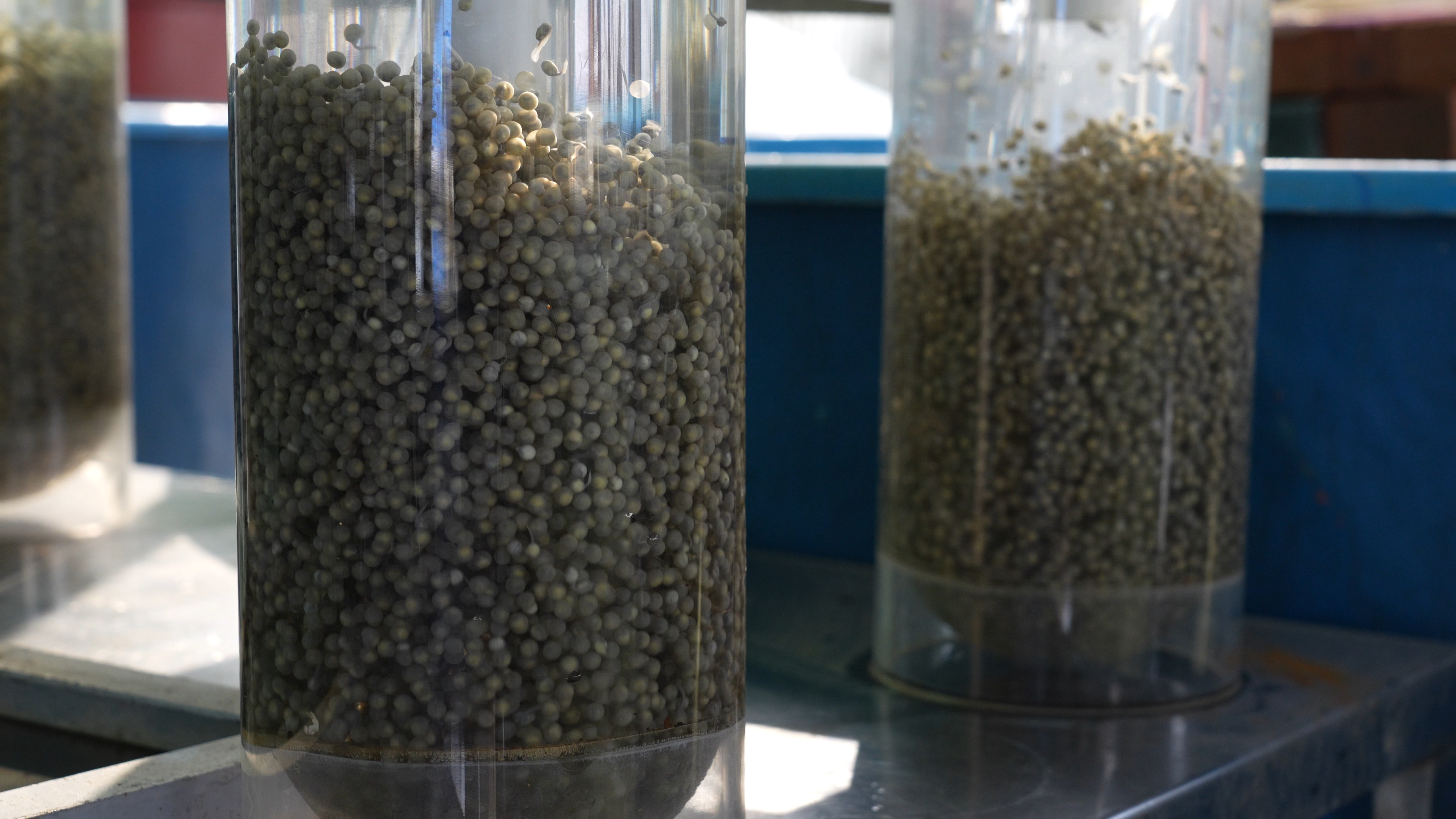
Sturgeon eggs in the incubators. Photo by Xiong Tingting.
Qingjiang Sturgeon Valley plans to release 2 million Chinese sturgeon next year. Combined with other species such as the Yangtze and Amur sturgeons, the total number released is projected to surpass 5 million.
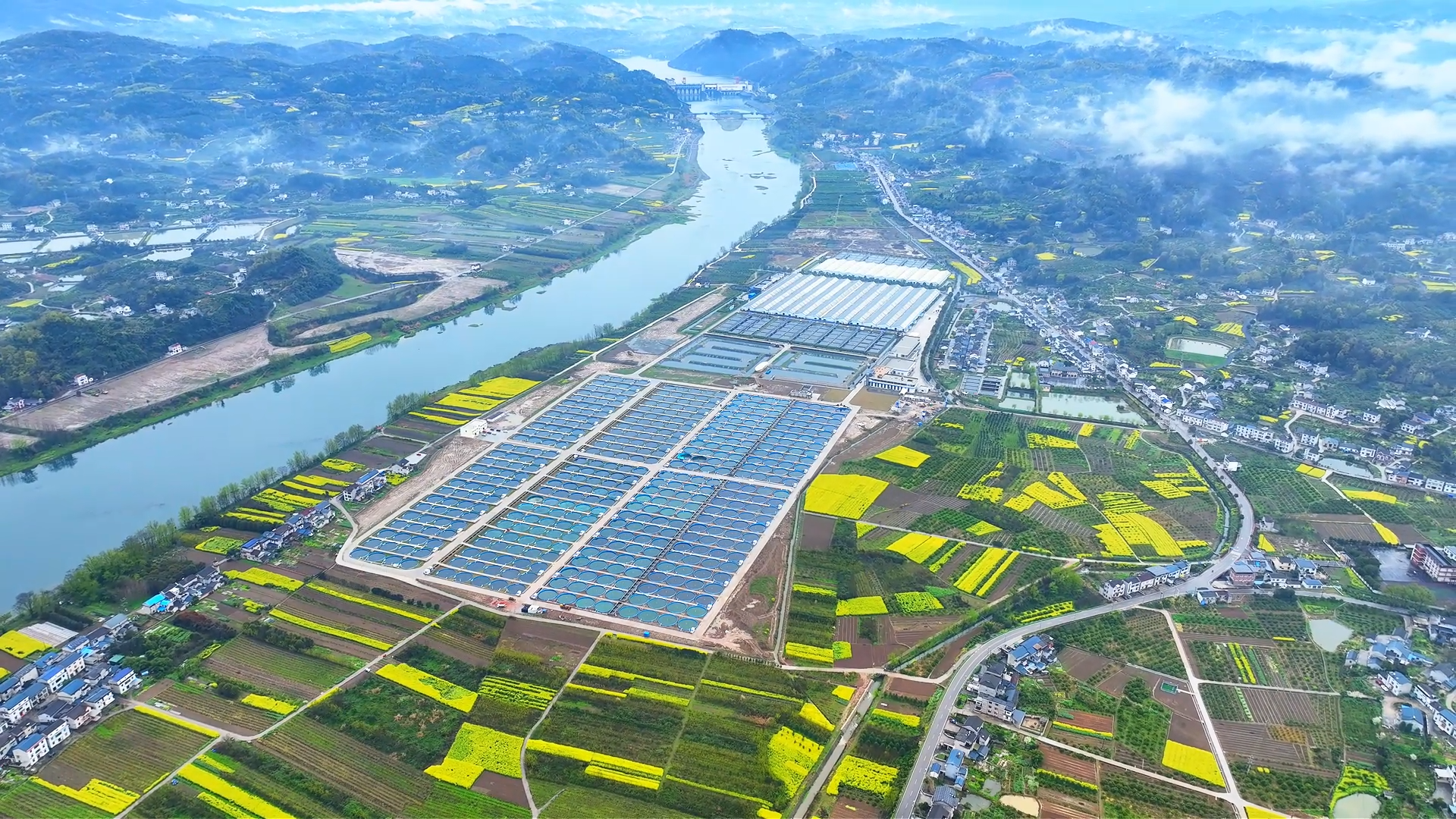
Aerial view of the Qingjiang Sturgeon Valley in Yidu.
An example of Yidu's transition under the “Moving Sturgeon Farming on Land” initiative, Qingjiang Sturgeon Valley now breeds more than 1.1 million sturgeons, boasting a biomass of over 10,000 tons. It produces over 100 tons of caviar annually, accounting for about 30 percent of the global market. More than 10,000 tins a day are sold to over 20 countries across Europe, the Americas, the Middle East, and other regions.
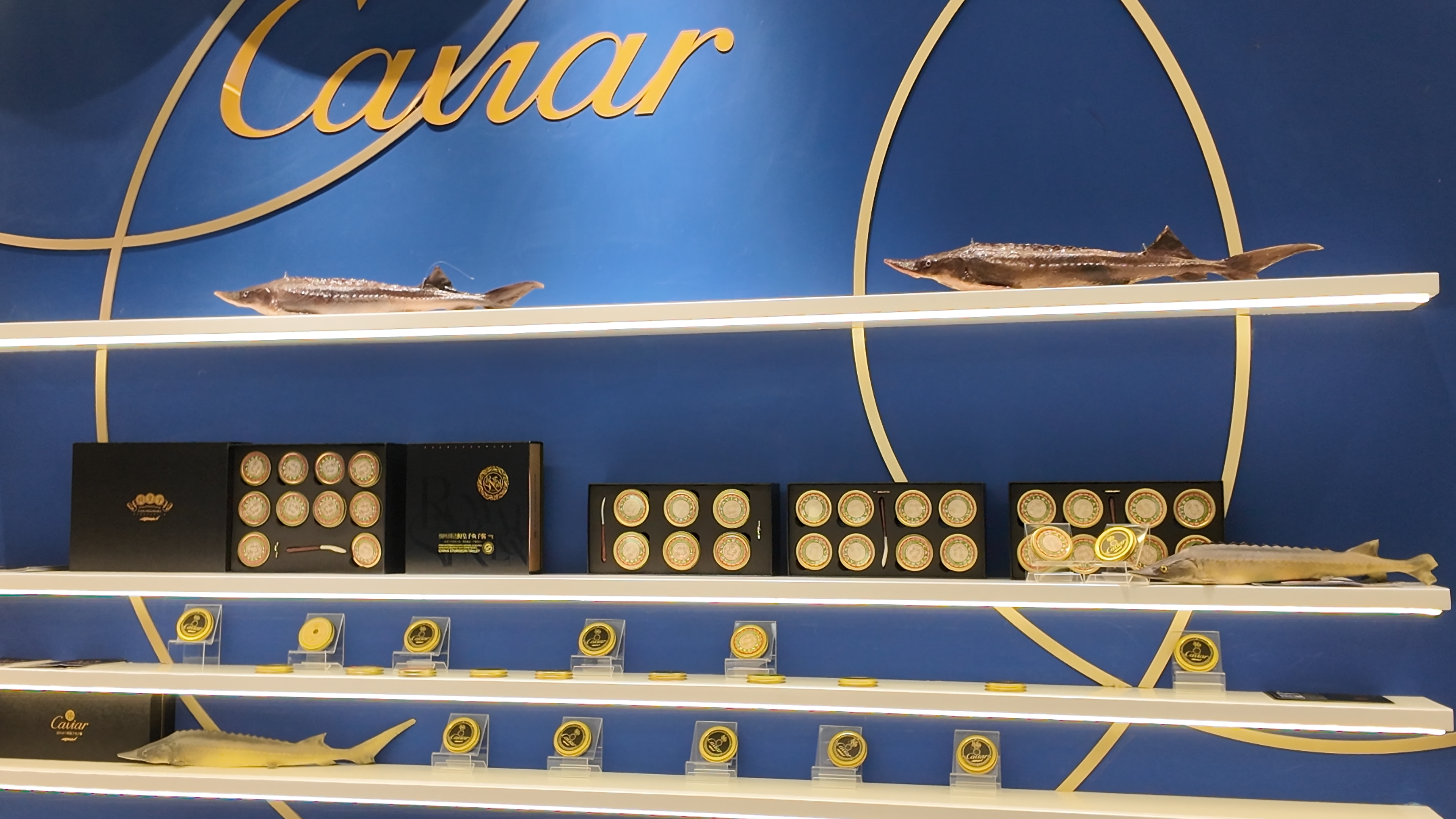
Qingjiang Sturgeon Valley's caviar products.