Tianma industry reaches 2 billion yuan in output value
2026-10-27 19:10:00
By Yan Wanqin.
Yichang's tianma industry has reached a comprehensive yearly output value of 2 billion yuan (US$298.51 million), shifting from selling raw materials to value-added products.
Tianma is a member of the orchid family and is known for its medicinal properties. Its rhizome is used in traditional Chinese medicine to treat a variety of conditions, including headache, dizziness, epilepsy, and tetany. It is also used to improve memory and cognitive function.
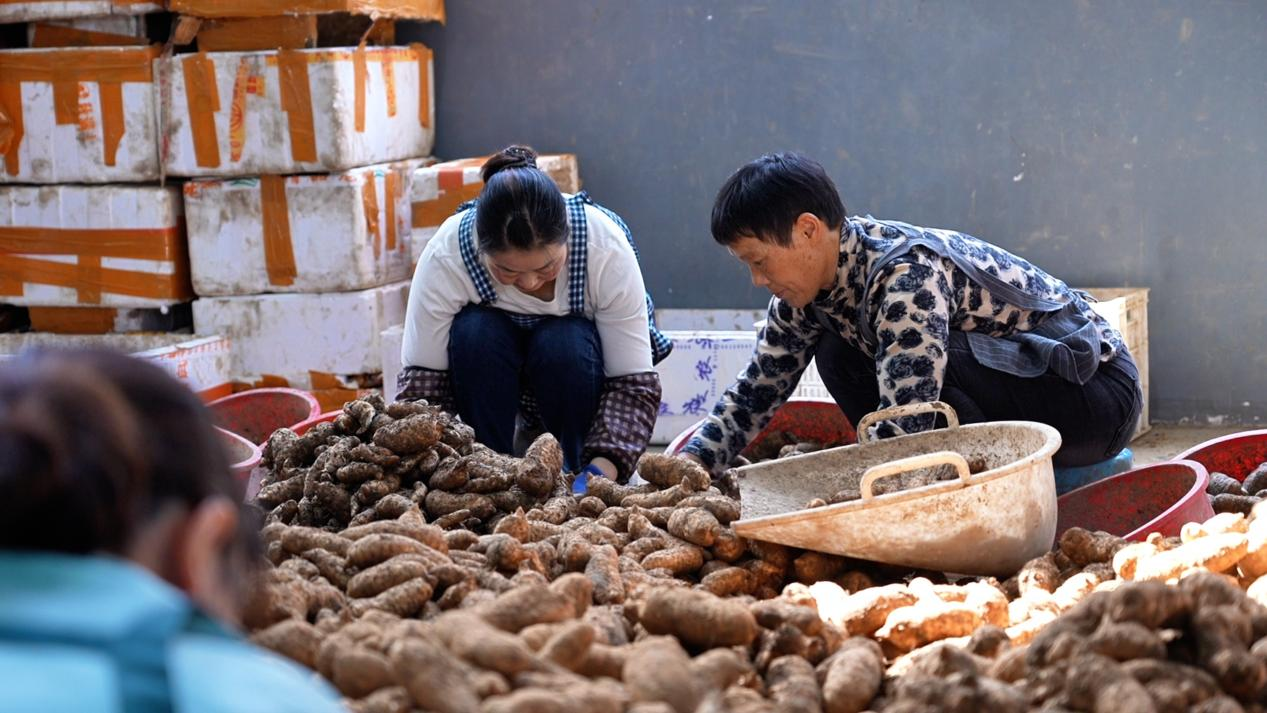
At the Three Gorges Traditional Chinese Medicine Industrial Park in Yiling District, fresh tianma is processed through automated washing, sorting and steaming before being shipped nationwide. One local company purchases over 15,000 kilograms of fresh tianma daily and expects an annual output value exceeding 60 million yuan, with orders booked through the end of the year.
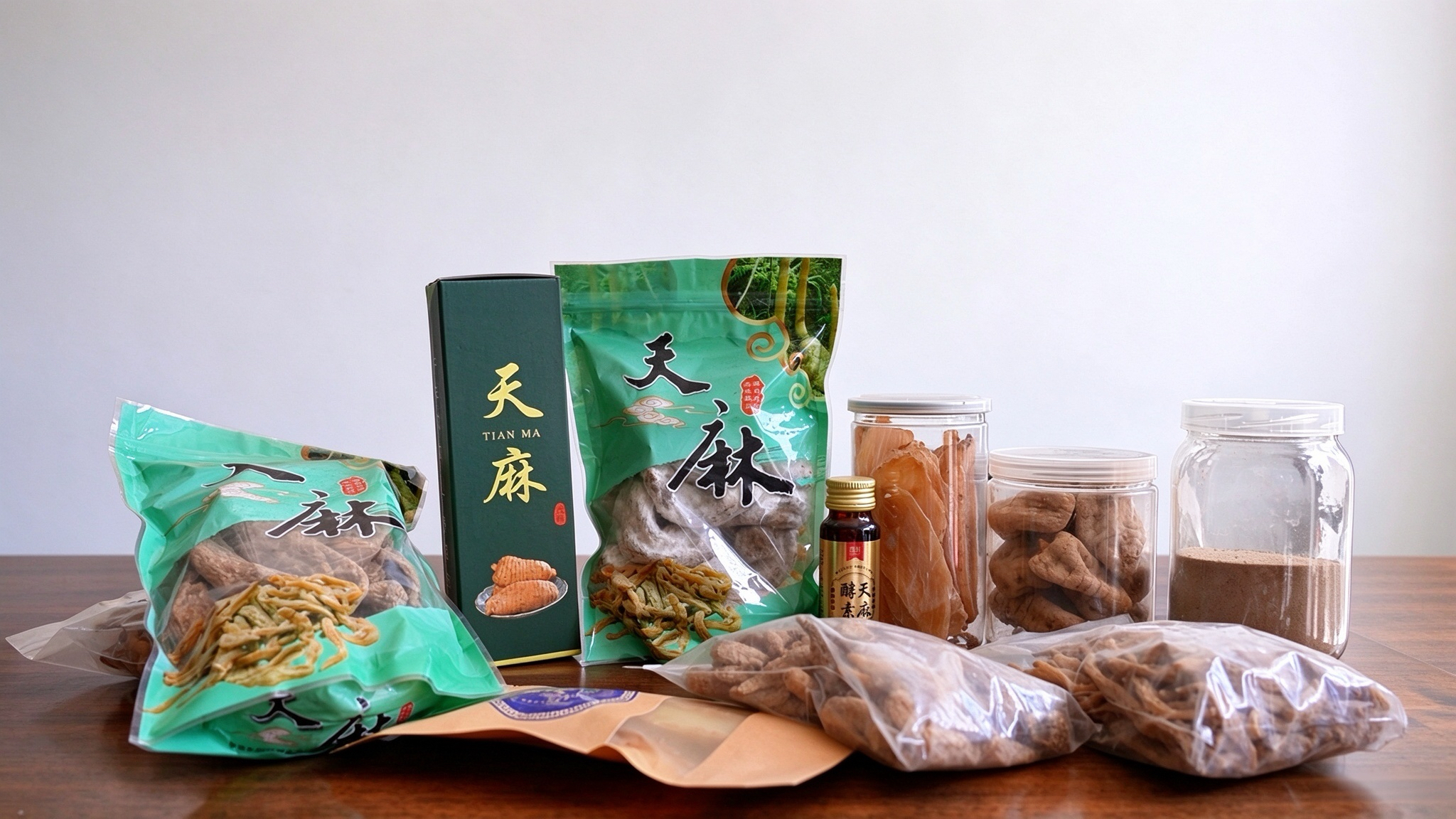
With a total investment of about 500 million yuan, the park covers some 200 mu (13.3 hectares). It has attracted 13 tianma enterprises and formed an integrated industry chain spanning breeding, cultivation, processing, and sales. This has driven the industry from primary processing toward deep processing, with products such as tianma beer and health supplements now on the market.
Xiabaoping Town, renowned as China's "Hometown of Tianma," has 6,800 mu under cultivation, with 80 percent of local households engaged in tianma planting. The town's comprehensive output value has reached 1.336 billion yuan.
Science and technology have played a key role in the industry's upgrade. The Yichang Academy of Agricultural Sciences has developed hybrid breeding methods and techniques for cultivating crops under forest canopies that raise fresh tianma yields to 2,500 kilograms per mu, according to agronomist Li Yunfei of the academy's microbiology institute.
New "bag-based" cultivation techniques replaced traditional wood logs with low-cost, accessible raw materials. The approach has shortened the growth cycle from 18 months to six months while cutting wood use by more than 70 percent.
Standards are also being promoted to ensure sustainable development. A local standard for ecological tianma cultivation technology was released in April 2025, developed by the Yichang Academy of Agricultural Sciences and establishing an ecological and standardized planting system.
A provincial standard for producing honey fungus, which is used in tianma cultivation, has also passed review. It uses liquid submerged fermentation technology to precisely control strain production and shorten the growth cycle.
The standards unify planting management practices so that farmers have clear guidelines to follow, said Zhu Hong, director of the academy's microbiology institute. The academy is also promoting a "forest-nourishing-tianma, forest-tianma coexistence" ecological model to advance green, high-quality and efficient development of the industry.
In 2025, the city's tianma planting area was about 27,000 mu, producing approximately 15,000 tons of fresh commercial tianma annually. The comprehensive output was 2 billion yuan.
Zhu said the academy will establish a regular service mechanism with monthly on-site guidance. It will also conduct further research on strains and preservation technology to help local fresh tianma reach markets nationwide.
Zhou Chongyu, Tanyang Chenlei contributed to this story.
Yichang's tianma industry has reached a comprehensive yearly output value of 2 billion yuan (US$298.51 million), shifting from selling raw materials to value-added products.
Tianma is a member of the orchid family and is known for its medicinal properties. Its rhizome is used in traditional Chinese medicine to treat a variety of conditions, including headache, dizziness, epilepsy, and tetany. It is also used to improve memory and cognitive function.
At the Three Gorges Traditional Chinese Medicine Industrial Park in Yiling District, fresh tianma is processed through automated washing, sorting and steaming before being shipped nationwide. One local company purchases over 15,000 kilograms of fresh tianma daily and expects an annual output value exceeding 60 million yuan, with orders booked through the end of the year.
With a total investment of about 500 million yuan, the park covers some 200 mu (13.3 hectares). It has attracted 13 tianma enterprises and formed an integrated industry chain spanning breeding, cultivation, processing, and sales. This has driven the industry from primary processing toward deep processing, with products such as tianma beer and health supplements now on the market.
Products made from processed tianma.
Xiabaoping Town, renowned as China's "Hometown of Tianma," has 6,800 mu under cultivation, with 80 percent of local households engaged in tianma planting. The town's comprehensive output value has reached 1.336 billion yuan.
Science and technology have played a key role in the industry's upgrade. The Yichang Academy of Agricultural Sciences has developed hybrid breeding methods and techniques for cultivating crops under forest canopies that raise fresh tianma yields to 2,500 kilograms per mu, according to agronomist Li Yunfei of the academy's microbiology institute.
New "bag-based" cultivation techniques replaced traditional wood logs with low-cost, accessible raw materials. The approach has shortened the growth cycle from 18 months to six months while cutting wood use by more than 70 percent.
Workers wash and pack fresh tianma for shipment at the Three Gorges Traditional Chinese Medicine Industrial Park in Xiabaoping Town, Yiling District.
Standards are also being promoted to ensure sustainable development. A local standard for ecological tianma cultivation technology was released in April 2025, developed by the Yichang Academy of Agricultural Sciences and establishing an ecological and standardized planting system.
A provincial standard for producing honey fungus, which is used in tianma cultivation, has also passed review. It uses liquid submerged fermentation technology to precisely control strain production and shorten the growth cycle.
The standards unify planting management practices so that farmers have clear guidelines to follow, said Zhu Hong, director of the academy's microbiology institute. The academy is also promoting a "forest-nourishing-tianma, forest-tianma coexistence" ecological model to advance green, high-quality and efficient development of the industry.
In 2025, the city's tianma planting area was about 27,000 mu, producing approximately 15,000 tons of fresh commercial tianma annually. The comprehensive output was 2 billion yuan.
Zhu said the academy will establish a regular service mechanism with monthly on-site guidance. It will also conduct further research on strains and preservation technology to help local fresh tianma reach markets nationwide.
Zhou Chongyu, Tanyang Chenlei contributed to this story.