Rare birds return as Yichang wetlands make room for nature
By Yan Wanqin
Migratory birds are arriving in large numbers at wetlands across Yichang, with rare species returning in growing numbers, a sign that habitat protection is working.
More than 200 Chinese mergansers winter in Yichang each year, making the city one of areas with the highest concentrations of the species in Hubei. Four were recently spotted at Changyang Qingjiang National Wetland Park, marking the fourth consecutive year the species has appeared there. Along the Juhe River in Yuan'an County, Chinese mergansers have been recorded for 13 years.
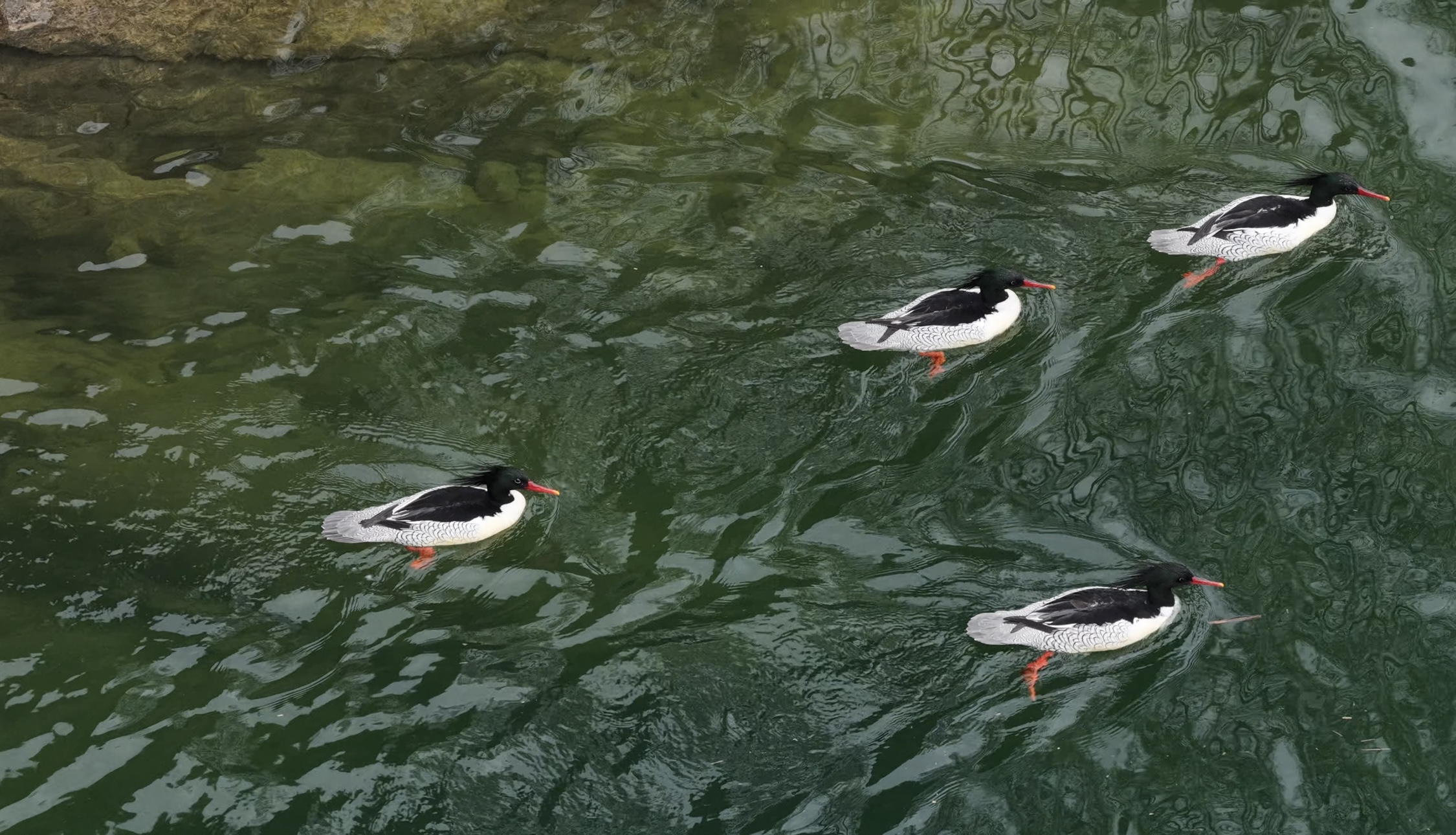
Chinese mergansers return to Changyang Qingjiang National Wetland Park. Photo by Lin Jiwei.
Hubei has recorded 615 bird species, including 28 under first-class national protection. The province is also a key corridor for global bird migration.
Yichang is home to an extensive and ecologically vital wetland network totaling 82,400 hectares, with a protection rate of 60 percent. More than 80 species of migratory birds now winter in the city annually, according to 2025 monitoring data.
The city has adopted a range of habitat-friendly measures. At Juanqiaohe Wetland in urban Yichang, a 300-square-meter patch of rice is deliberately left unharvested each year for yellow-breasted buntings. The highest single-day count of the species there has risen from about 20 in 2022 to more than 100 this year.
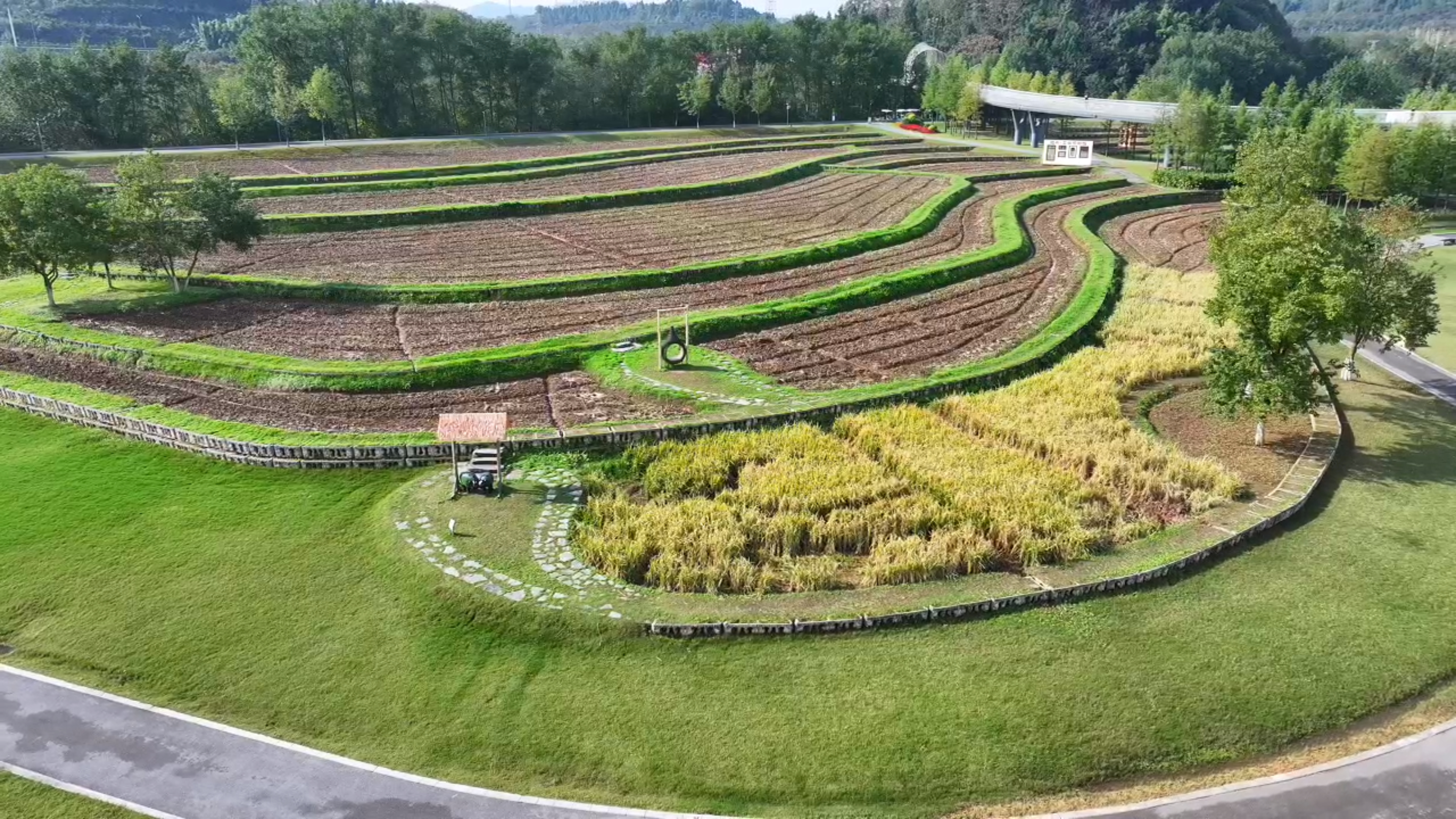
Rice paddies are left unharvested at Juanqiaohe Wetland Park to provide food for yellow-breasted buntings. Photo by Yang Yihang.
At Jijiahu Wetland Park in Dangyang, part of the lotus pond is left undisturbed after autumn.
"The lotus roots and shallow water give tundra swans food and a place to rest away from open water," said Zhang Yuyuan, head of the park.
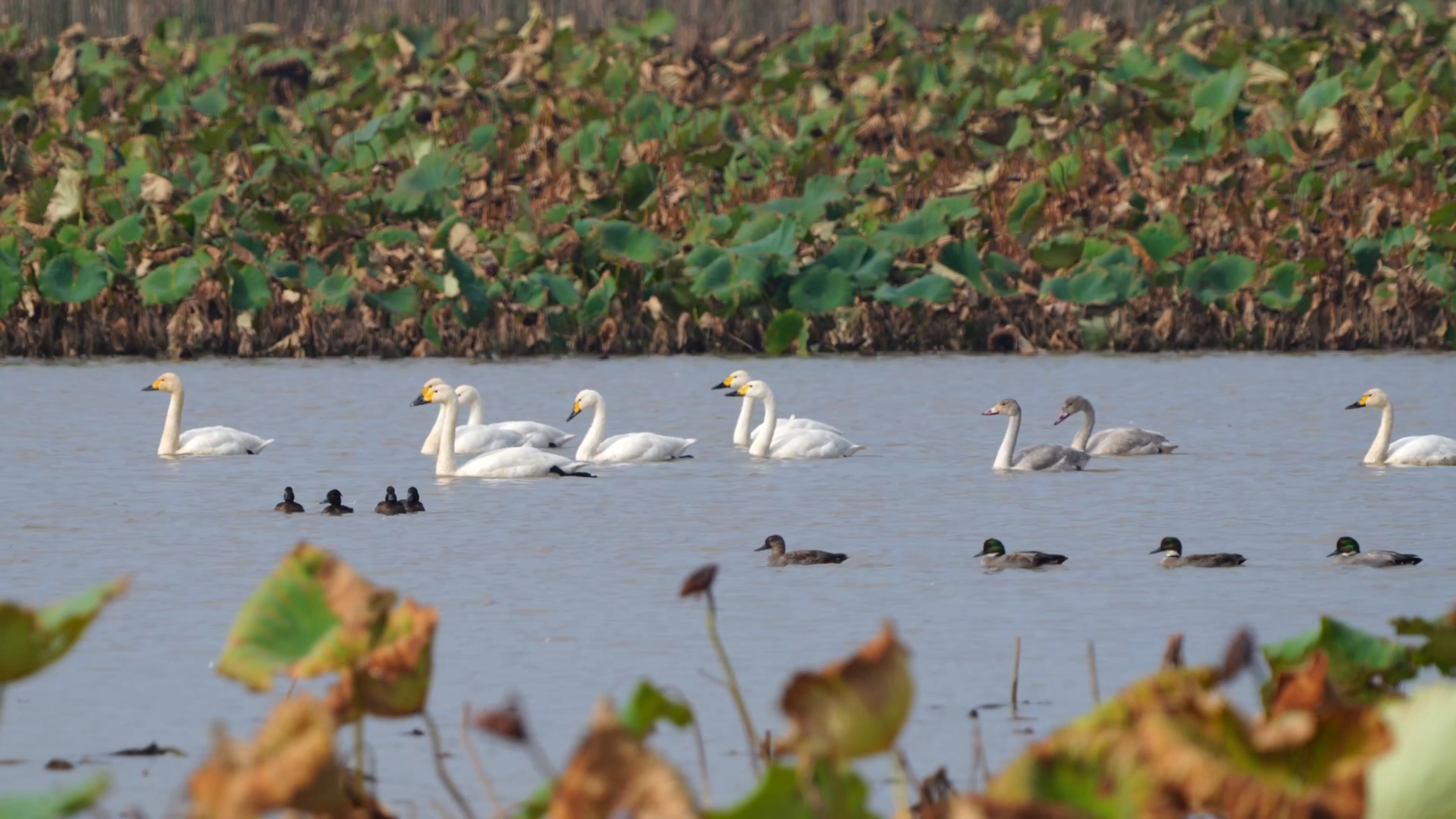
Tundra swans are seen at Jijiahu Lake in Dangyang. Photo by Zhang Zixuan.
In Yuan'an, shrubs and trees planted along the Juhe River form an ecological buffer for Chinese mergansers. Along the Qingjiang River in Changyang, observation towers and boardwalks have been kept away from core habitats.
Technology is also strengthening protection. At Zhijiang Jinhu National Wetland Park, drones take off autonomously and patrol the lake with infrared and night-vision cameras, sending real-time images of bird distribution to rangers.
"With the smart lake patrol system, we can accurately track bird activity and effectively prevent illegal behavior," said Huang Shanshan, deputy director of the park’s management office.
Acoustic wildlife monitoring, high-definition cameras, and infrared cameras have formed an all-weather monitoring network across Yichang’s wetlands and forests. The devices are linked directly to rangers’ mobile phones, allowing them to track wildlife distribution without leaving their offices.
"These tools have upgraded our monitoring from periodic, short-term checks to round-the-clock coverage," said Shu Renqing, deputy chief of the wildlife and plant protection section at the Yichang Forestry and Landscape Bureau. "In sensitive areas especially, we can track wildlife distribution and activity more clearly without disturbing habitats, giving us solid data for decision-making."
In 2025, Yichang released Hubei’s first wildlife and habitat protection plan for 2025–2035, targeting 10 especially rare species and calling for stronger protection of migratory routes and habitat connectivity.
From leaving rice and lotus ponds for birds to using drones and acoustic monitoring, Yichang has combined institutional planning, technology, and public participation into a multi-layered wildlife protection system.