
Yichang citrus exports grow rapidly but profits need to catch up
2026-11-25 19:11:47
By Ma Yuanchen
Yichang exported 133,000 tons of citrus in the first nine months of this year, rising 118 percent from a year ago, Customs data has shown. The value also jumped nearly 85 percent to 720 million yuan (US$107 million).
The 33-percentage-point gap between the two growth rates illustrates a big challenge local producers face: building a strong global brand for Yichang’s citrus.
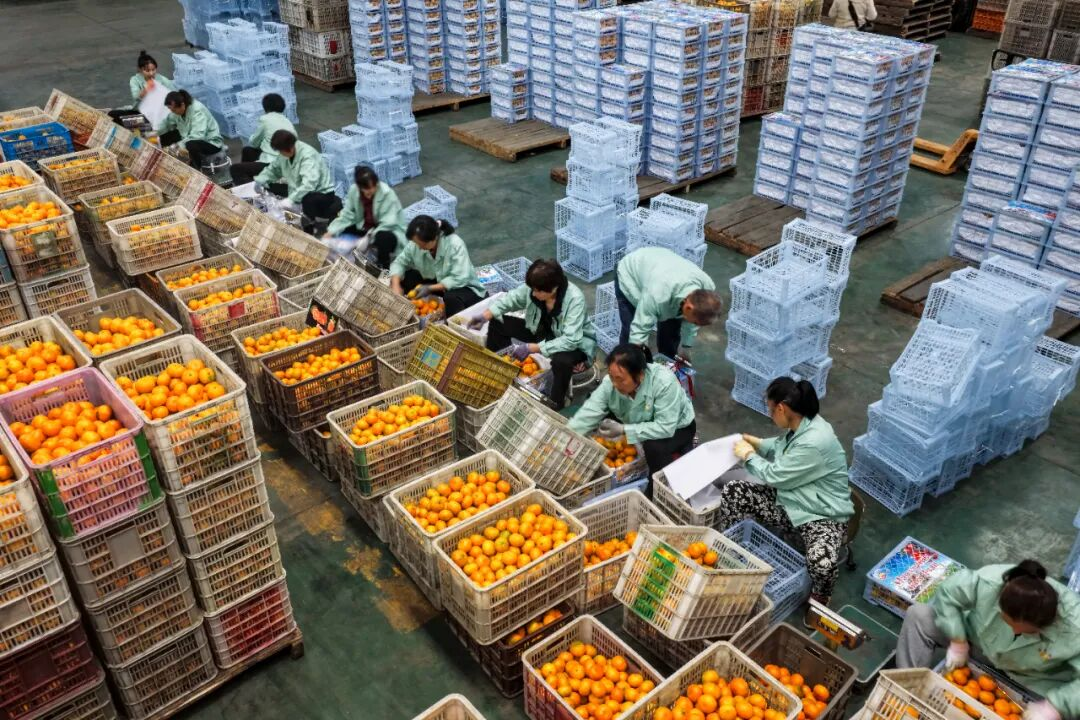 Workers sort citrus fruits at Xiaoxihong Citrus Cooperative before the produce is shipped to overseas markets.
Local exporters are building direct sales channels to keep control of pricing. Xiaoxihong Citrus, Yilinghong Citrus and other leading companies have established direct connections with supermarkets and buyers in Russia and Central Asia.
In September 2025, Hubei Yiwei Nongjia International Trade launched a 7.3 million-yuan overseas warehouse in Almaty, Kazakhstan, the first dedicated fresh fruit warehouse for Zigui citrus in Central Asia. Zheng Jianhua, the firm’s general manager, said the warehouse allows local buyers to inspect and select fruit on-site, enabling the company to set its own prices and take orders independently. The firm also began to sell on kasai.kz on November 3. In just over two weeks, it sold oranges, tangerines and pomelos worth 24 million tenge, equivalent to about 350,000 yuan (US$52,161), through online and offline channels.
Currently, exports account for only about 5 percent of Yichang’s citrus output, well below China’s national average, leaving massive room for growth. Yichang has more than 2 million mu (133,400 hectares) of citrus orchards, and its annual output has reached 4.5 million tons. However, less than 20 percent of its fruit goes into deep processing, far below the 60 percent benchmark in developed economies. Most outbound shipments are fresh fruit, which generates thin profit margins.
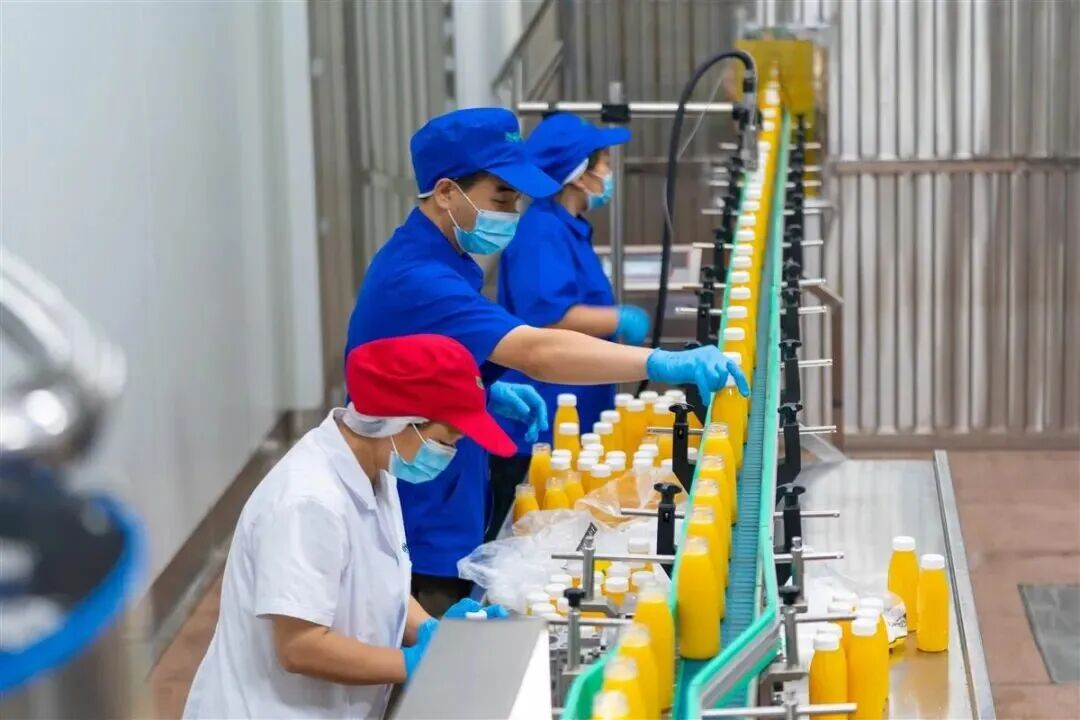 Workers operate on the concentrated juice production line at Qugu Group.
Guo Shiming, general manager of Xiaoxihong Citrus Cooperative, said fresh citrus makes up over 60 percent of its exports to Russia via self-operated and distributor channels. This year, weather conditions have resulted in thin fruit skins, creating larger losses during transportation and pushing down selling prices by roughly 20 percent. Self-operated exports can lift selling prices by 20 percent and net profit by about 10 percent by cutting out middlemen, but the company must take bigger risks. Ultimately, quality determines the final price, Guo said.
Yichang’s regional citrus brands, including Zigui Navel Orange and Yichang Mandarin Orange, are well respected in China. But they cannot yet command a price premium on the global market. Deep processing has not become a common practice among local citrus companies. Industry data showed that fresh citrus typically generates profit margins of 10 to 15 percent, while processed citrus products can achieve margins of 25 to 50 percent. Exporting processed goods can increase overall profit by over 30 percent.
Qugu Group in Zigui has demonstrated the upside of full-value industrialization. Its processed portfolio covers more than 100 products, using nearly every part of the fruit from peel to pomace, and sells to 148 countries and regions across Europe, America, the Middle East and Southeast Asia. The firm has secured regular orders from the Dubai importer DAAL for 51 containers of canned citrus products each month, with far higher unit prices and margins than bulk fresh fruit.
Liu Huiyan also contributed to the story.