Dalaoling: A Forest's Ecological Echoes
By Chen Zai
By six in the morning, farmyards in the mountains of the Hubei Dalaoling National Nature Reserve are already bustling. Hosts prepare breakfast as birdwatchers from Beijing, Shanghai, and beyond get their cameras ready. They head into the forest to spot and photograph birds.
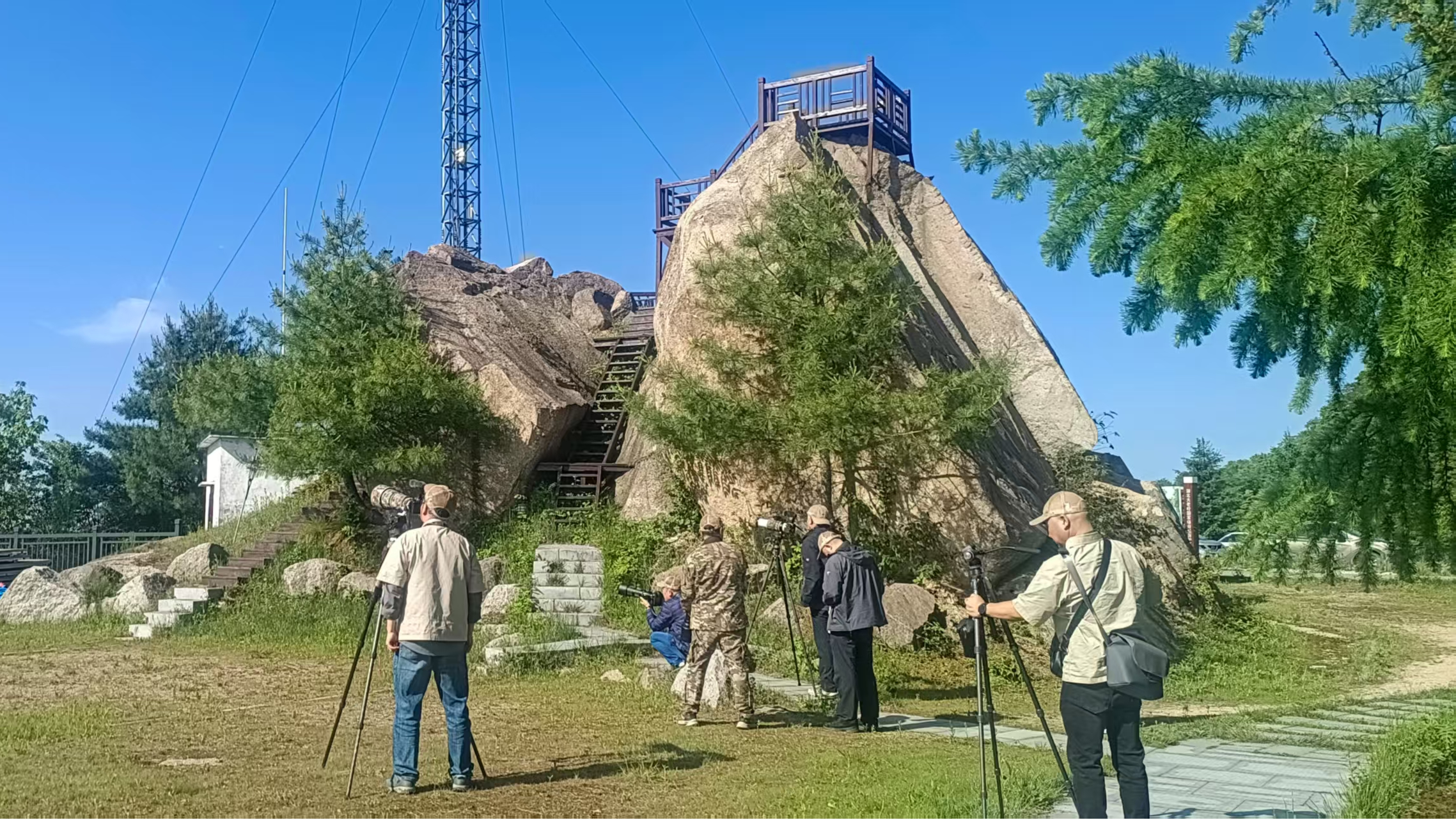
Birdwatchers drawn to Dalaoling for its rich birdlife.
The birdwatchers follow the birds. The birds come here for a stopover on a much longer journey. Dalaoling lies on the western side of the East Asian–Australasian Flyway. From mid-March to mid-May, migratory birds stop to rest and feed after crossing the Three Gorges. Then they continue on their way.
Visitors entering Dalaoling find a forest landscape shaped by elevation. The reserve rises from 145 to 2,005 meters above sea level. Across this rise of 1,860 meters, it preserves a full sequence of vegetation zones from subtropical to warm temperate. Riverside wetlands, stream valleys, and mountain forests each support different forms of life. Together they form a green ecological barrier in the Three Gorges region.
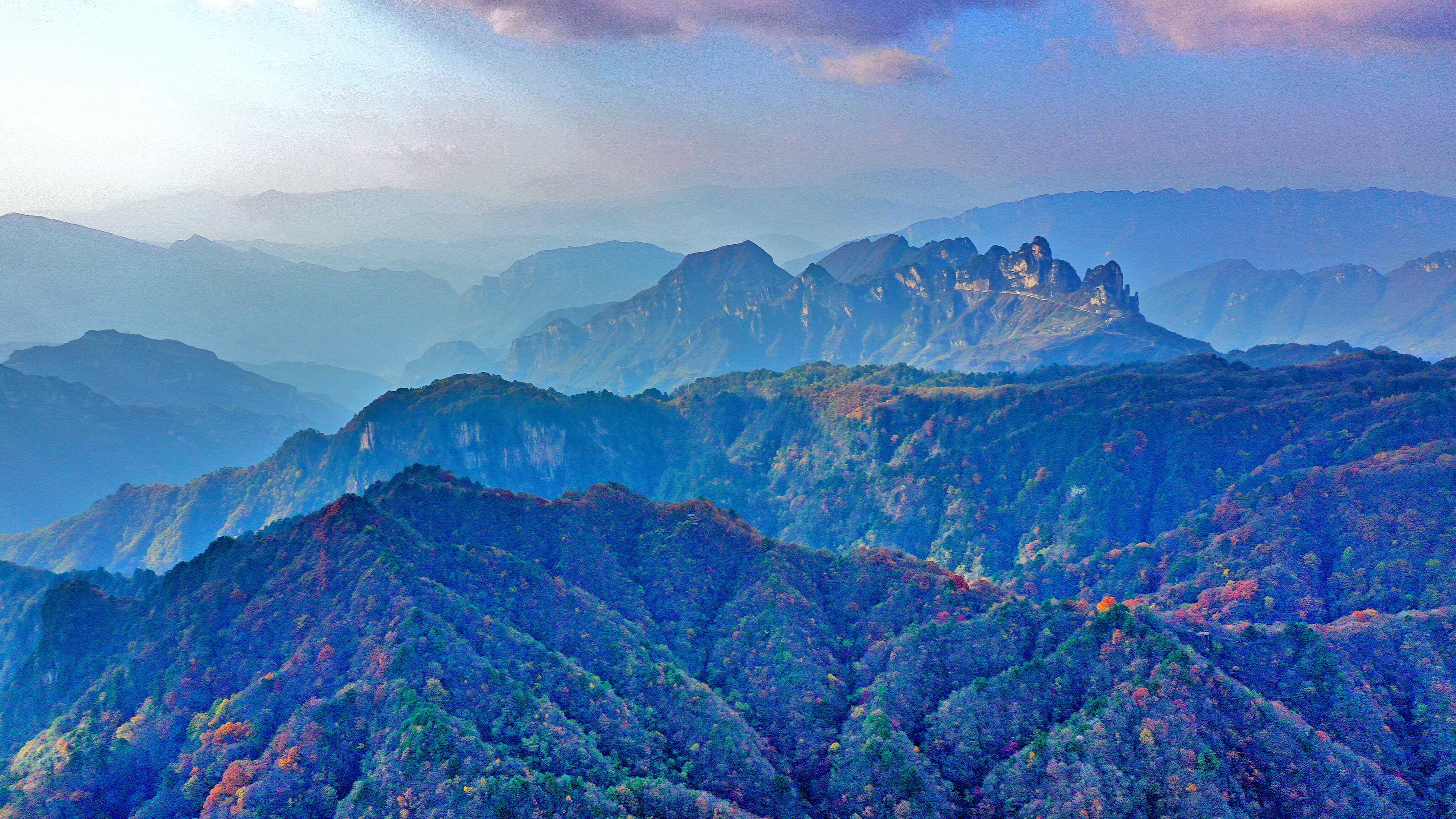
Dalaoling National Nature Reserve in Yichang forms part of the green ecological barrier protecting the Three Gorges region.
The reserve has recorded 2,495 species of higher plants, including 56 under national protection. In 2024, rangers discovered a wild grove of nearly 30 old dove trees. The largest trunk measured more than 50 centimeters across at breast height.
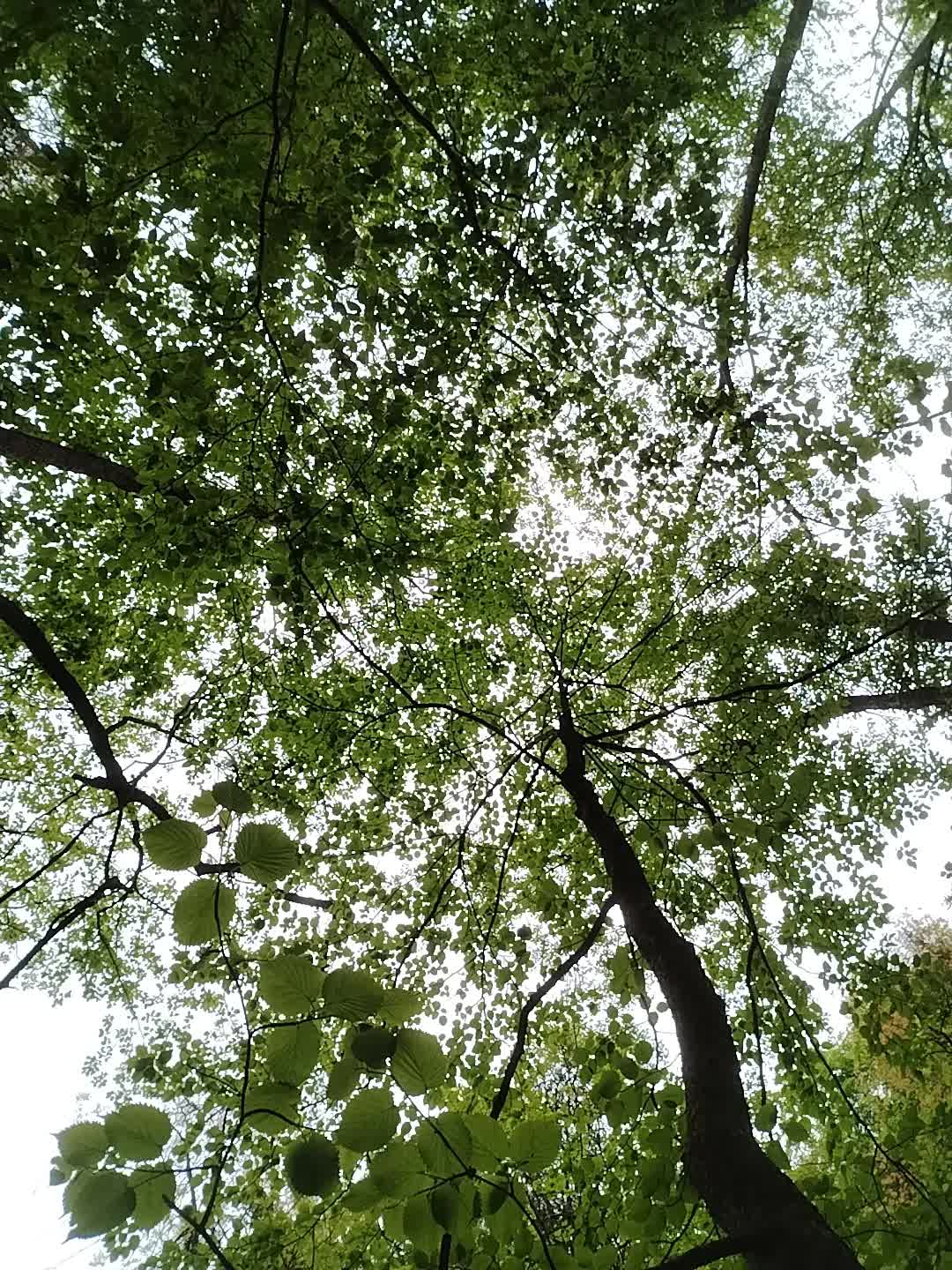
The dove tree is a relict species. It is native only to China. When Quaternary glaciation began some two to three million years ago, temperatures fell sharply and species died out. Dalaoling’s terrain offered a natural refuge for ancient plants, including dawn redwoods, ginkgos, Chinese tulip trees and dove trees.
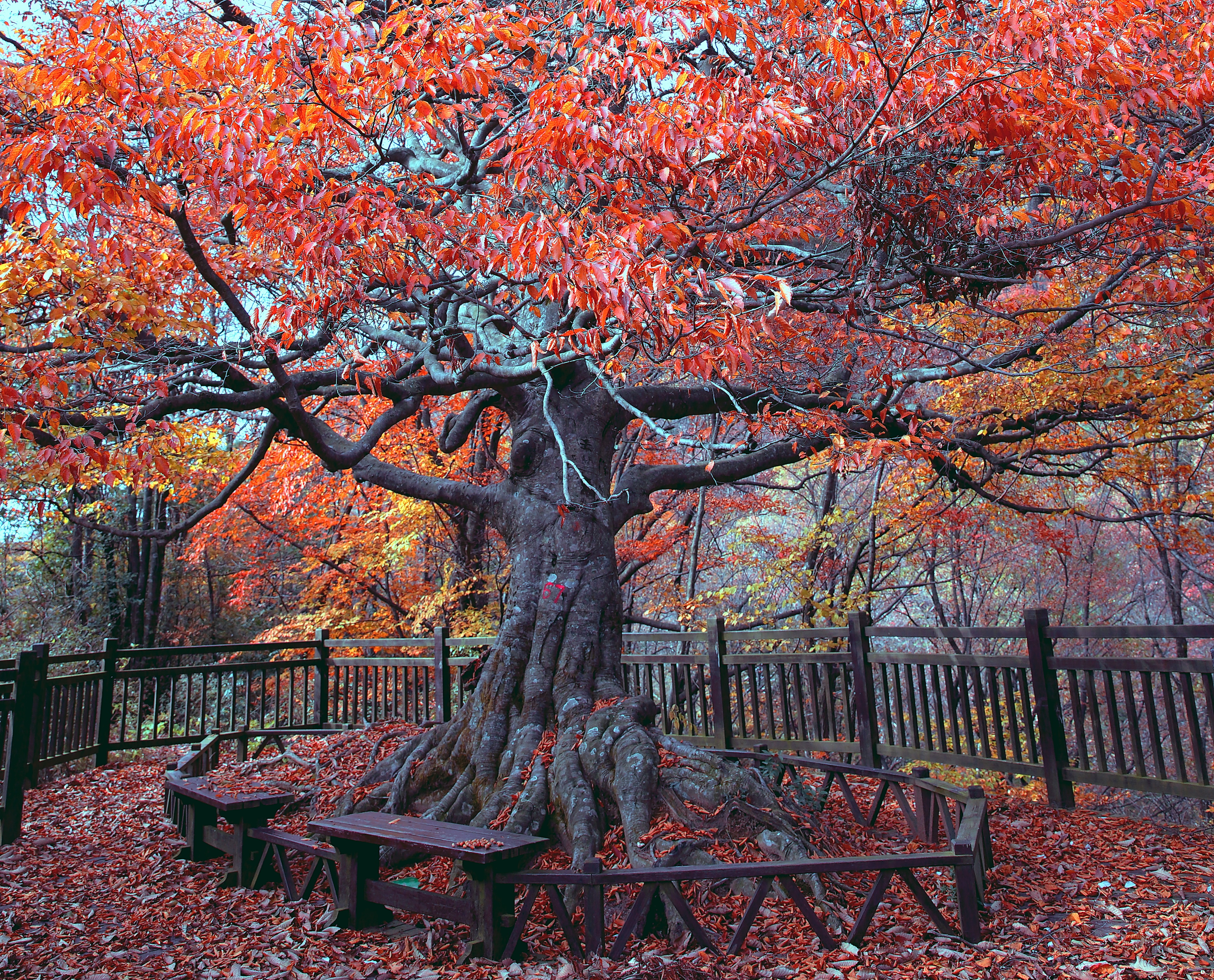
A thousand-year-old Fagus lucida in Hubei Dalaoling National Nature Reserve, carefully monitored and protected as part of the reserve's ancient tree conservation program.
The reserve has recorded 499 vertebrate species. Of these, 66 are under national protection, including the forest musk deer, small Indian civet, and golden eagle. By November 2026, long-term monitoring had recorded a total of 314 bird species in the reserve. That is more than half of all bird species recorded in Hubei Province.
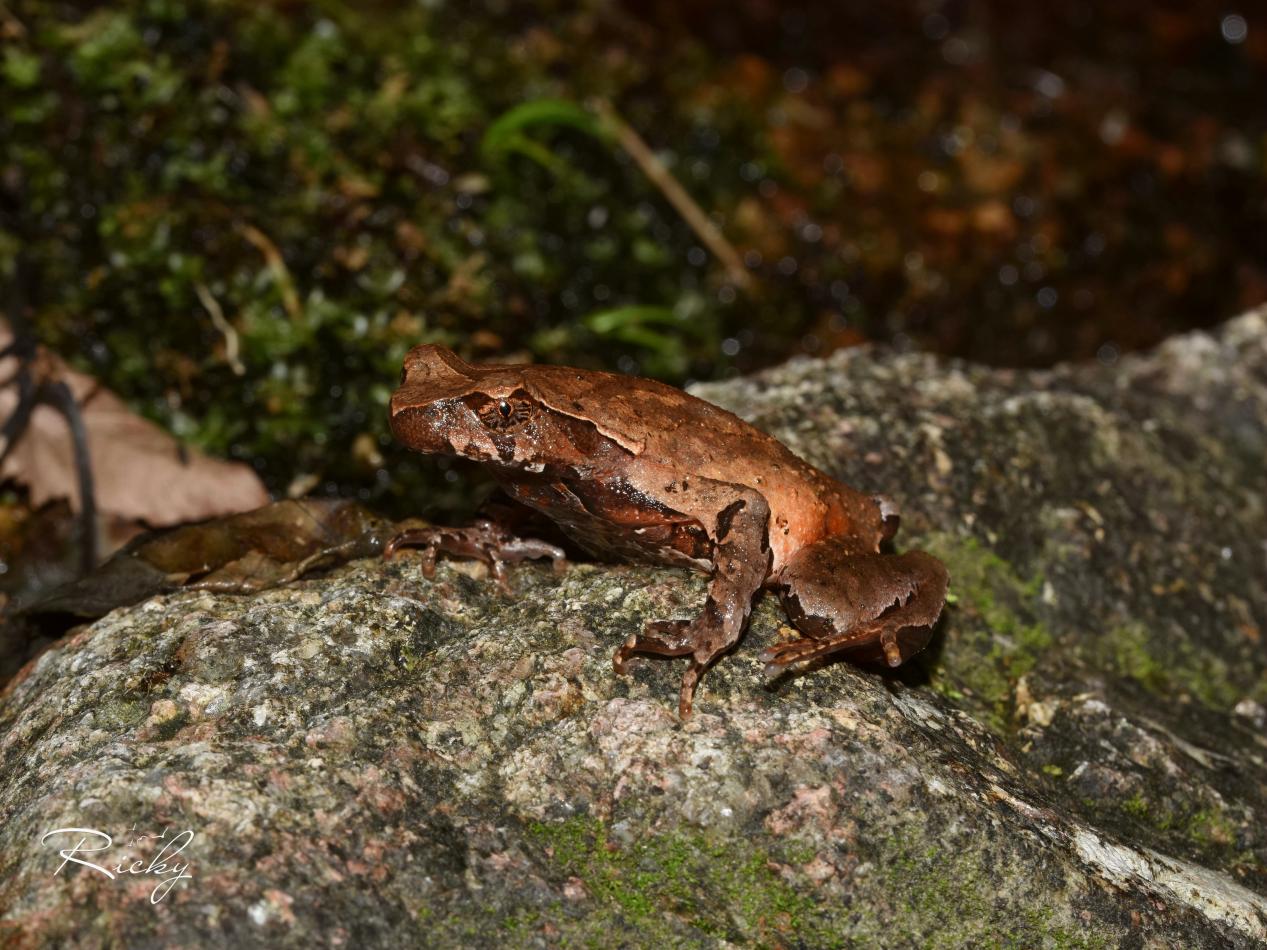
The Dalaoling horned toad takes its name from Dalaoling in Yichang, Hubei. Researchers found this amphibian along mountain streams at elevations of 1,380 to 1,650 meters in the reserve. It was formally described as a new species in 2025.
The forests on the northern bank near the Three Gorges Dam once supplied timber. Since the Dalaoling forest farm was established in 1956, successive generations have planted saplings across these mountains. When a complete logging ban took effect in 2001, timber harvesting and processing shut down. Former loggers put down their axes and saws and began patrolling the forests. Forest now covers 90 percent of the reserve.
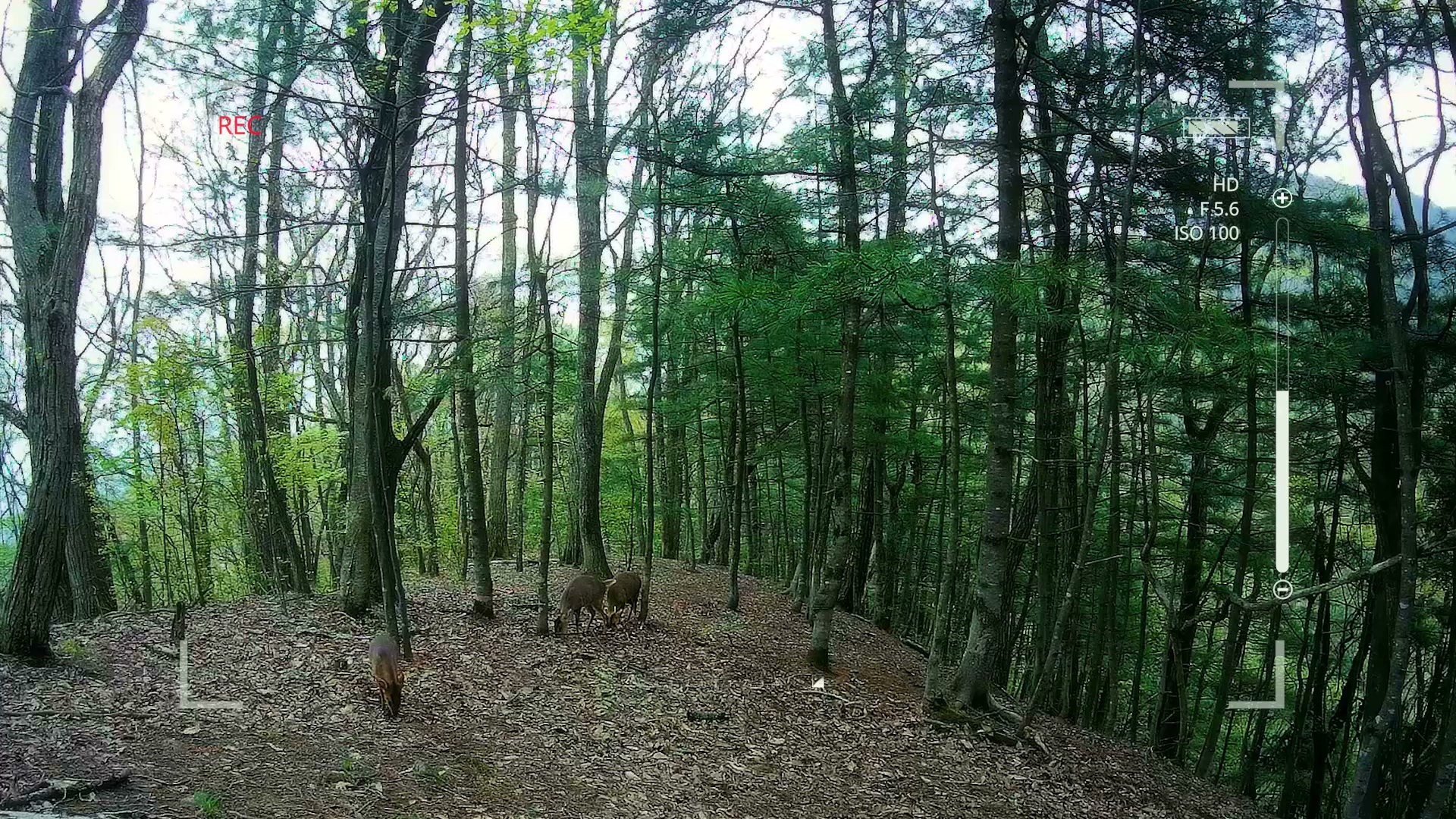
A camera trap captures a forest musk deer in Dalaoling. From 2020 to 2024, the distribution area of the musk deer within the reserve grew from about 2,290 to 2,860 hectares—an increase of approximately 25%.
Conservation work at Dalaoling extends from rare trees in the mountains to wild plants along the Yangtze. At Dalaoling Botanical Garden, 1,700 meters above sea level, staff have introduced or transplanted more than 8,500 plants representing 52 rare species from the Three Gorges Reservoir region and nearby highlands. At Yanzhiba in Yichang, downstream of the Three Gorges Dam, reserve researchers helped study reproduction in a surviving population of the rare shrub Myricaria laxiflora. The findings can inform efforts to reintroduce plants and restore populations along the reservoir shores that flood and emerge as water levels change.
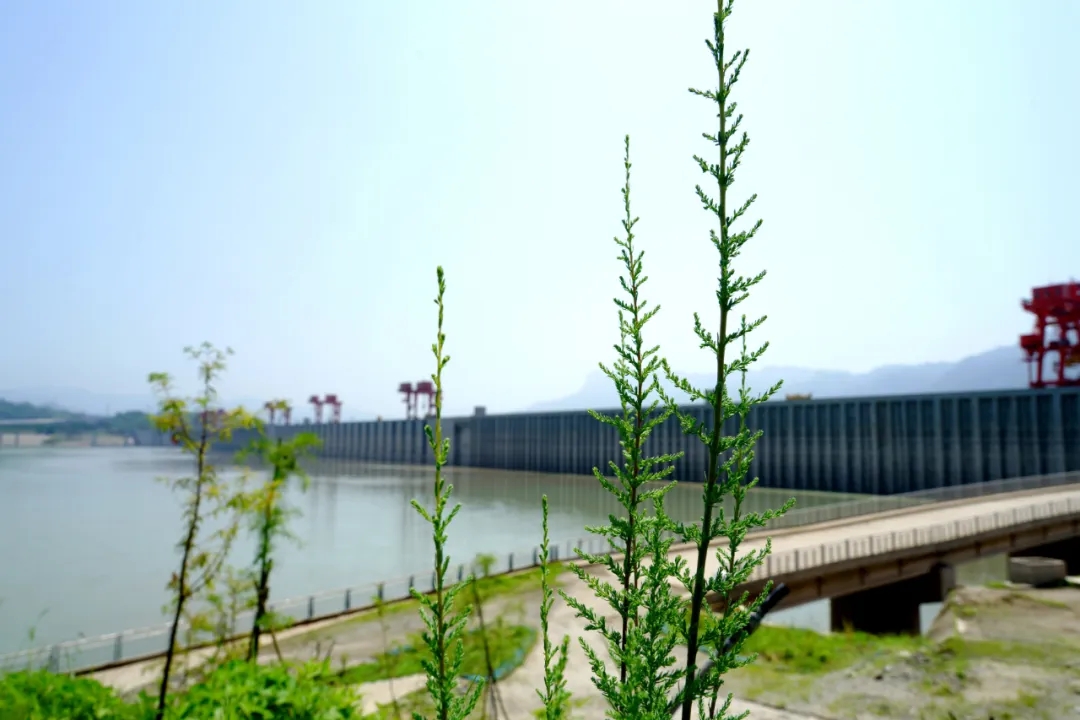
Myricaria laxiflora is a rare and endangered plant endemic to China's Three Gorges region. It is listed as a Class II nationally protected wild plant in China. It lies dormant when submerged in summer and resumes growth as water levels fall in winter. This adaptation makes it an important model species for ecological restoration, soil and water conservation, and native species protection along the seasonally flooded banks of the Yangtze.
In 2025, Dalaoling joined the Green List of the International Union for Conservation of Nature (IUCN). The organization describes it as one of the richest and most representative areas for biodiversity in the Three Gorges Reservoir region.
Each spring, migratory birds return to these forests. The birdwatchers who follow them have become familiar faces in the villages below. Honey and tea that villagers once had to send elsewhere to sell now find buyers on their doorsteps. Families turn rooms in their homes into guest accommodation and welcome the same guests back the following spring. The forests that generations planted and protected give birds a place to rest on their journey across the gorges and villagers a livelihood they can count on year after year.