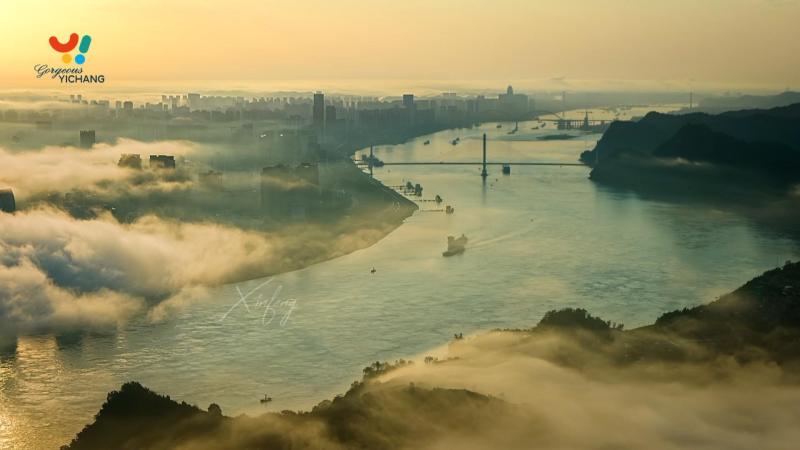
A River Reborn, a Community Renewed
By Ma Yuanchen
The Qing River has been praised as a landscape painting come to life: 800 li of water, roughly 400 kilometres, winding through the mountains of western Hubei. For centuries it has fed the valleys and villages on its banks. But intensive fish farming once pushed the river close to collapse.
Its most celebrated stretch is the Qing River Gallery — 120 square kilometres of limestone peaks and still water in Changyang Tujia Autonomous County, rated 5A, the top tier in China's scenic-area system.
For most of the past three decades, that stretch also held fish cages. At the peak, the Changyang section alone carried more than 70,000 of them across 1.4 million square metres. They were the main source of income for thousands of riverside families. At the same time, they put considerable pressure on the river's ecosystem.
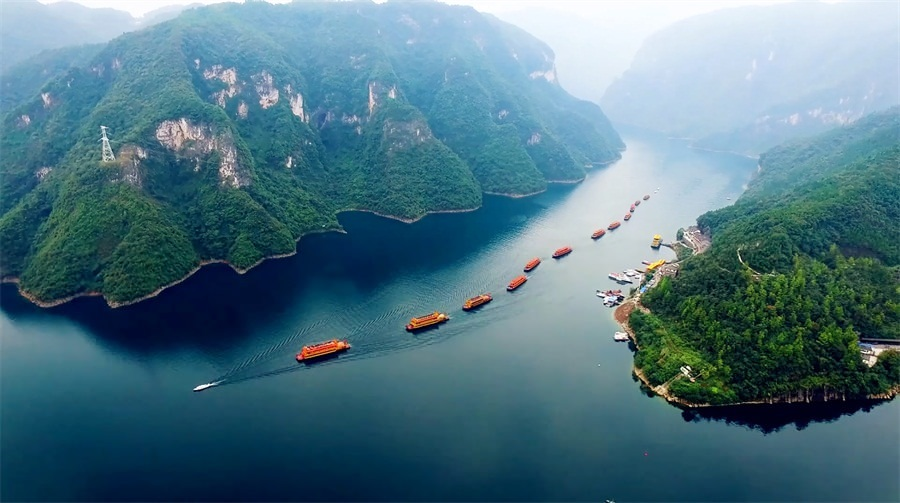
Qing River Gallery Scenic Area
The Geheyan Dam, completed in 1994, turned this stretch into a broad reservoir and gave rise to cage farming. For nearly 20 years the cages were the backbone of the local economy. Feed and fish waste settled beneath them; the water clouded, algal blooms spread, and the clarity that gives the Qing River its name began to fade.
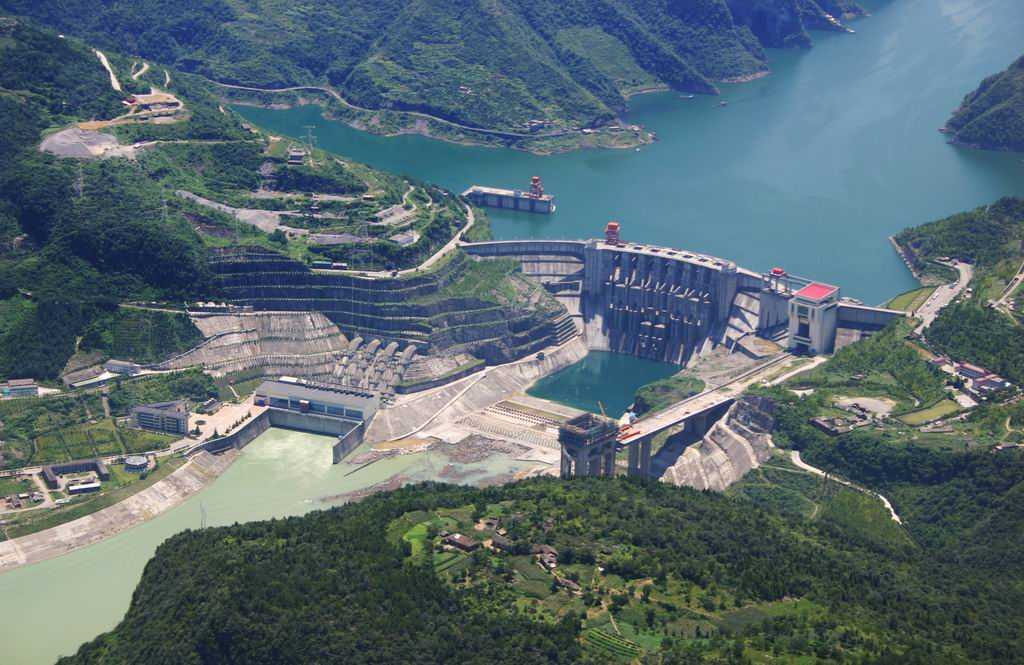
Geheyan Dam
In 2016, local authorities launched a basin-wide clean-up. In Changyang alone, crews worked more than 600 days to remove 70,000 cages, 1,000 floating work cabins and 500 fishing boats.
Inside the cages were more than 25,000 tonnes of live fish, nearly half of them sturgeon, a species that takes eight years to reach market size. Harvest them early and hundreds of households would be ruined; leave them in place and the clean-up could not start. Teams spent months working with commercial farms in Jiangxi, Chongqing and Shaanxi to relocate mature stock, and organised nationwide trade fairs so farmers could sell market-ready fish at fair prices. Only when the cages were empty could the dismantling begin.
The last cages in the basin came out in 2023, seven years after the first.
The harder part was the people who lived off the river.
Most fishing families had worked the reservoir since the 1990s and had no other skills. Giving up the only trade they knew left villages deeply uncertain. Officials phased the removals so that no community lost its income overnight, and paired enforcement with compensation for dismantled gear, free job training and help finding work on land. The county put together a 240 million yuan (about $34 million) support package covering equipment compensation, resettlement grants and temporary living allowances, and offered interest-free microloans of up to 100,000 yuan for anyone starting a land-based business.
The campaign also closed 232 sewage outlets, laid 35.6 kilometres of wastewater pipes and shut down the basin's worst polluters. On land, the county phased out coal mining, once a major pillar of local revenue. In 2020, a provincial regulation on Qing River water protection took effect, writing the restoration gains into law.
The river answered. The main channel in Changyang has held Grade II water quality or better all year — clean enough, under China's surface water standards, to serve as a drinking water source. Chinese mergansers, a rare wintering duck, return each season; peach blossom jellyfish, which survive only in clean water, have reappeared after decades away.
The Qing River's recovery was not built on slogans. It came from hard trade-offs made by local people, and from a willingness to rethink what the river is for. For the families along its banks, it is no longer only something to take from. It is a landscape to keep, and a living for the next generation.
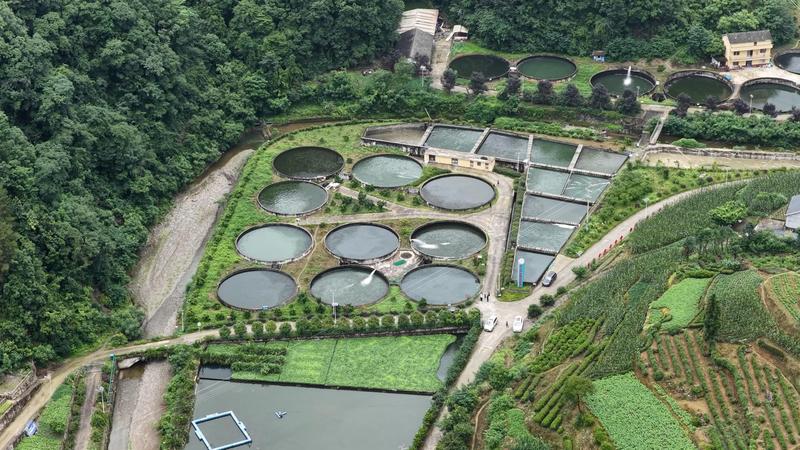
A modern ecological fishery farming base
Gao Anqun is a local woman who started cage farming in 1998 and stayed with it for a decade. In 2008, her family borrowed money to open a floating restaurant and guesthouse, serving fish and taking visitors out on the water. When the clean-up reached water-based businesses, she shut it down.
What followed was a drift: a factory job, a passenger boat, neither steady nor satisfying. Only in 2024, as the water cleared and visitors returned, did she open a seven-room homestay on the bank, helped by a county subsidy programme for homestay clusters.
Every room faces the water. "From the courtyard you can see the Geheyan Dam. From the upper balcony the view is even better," she said.
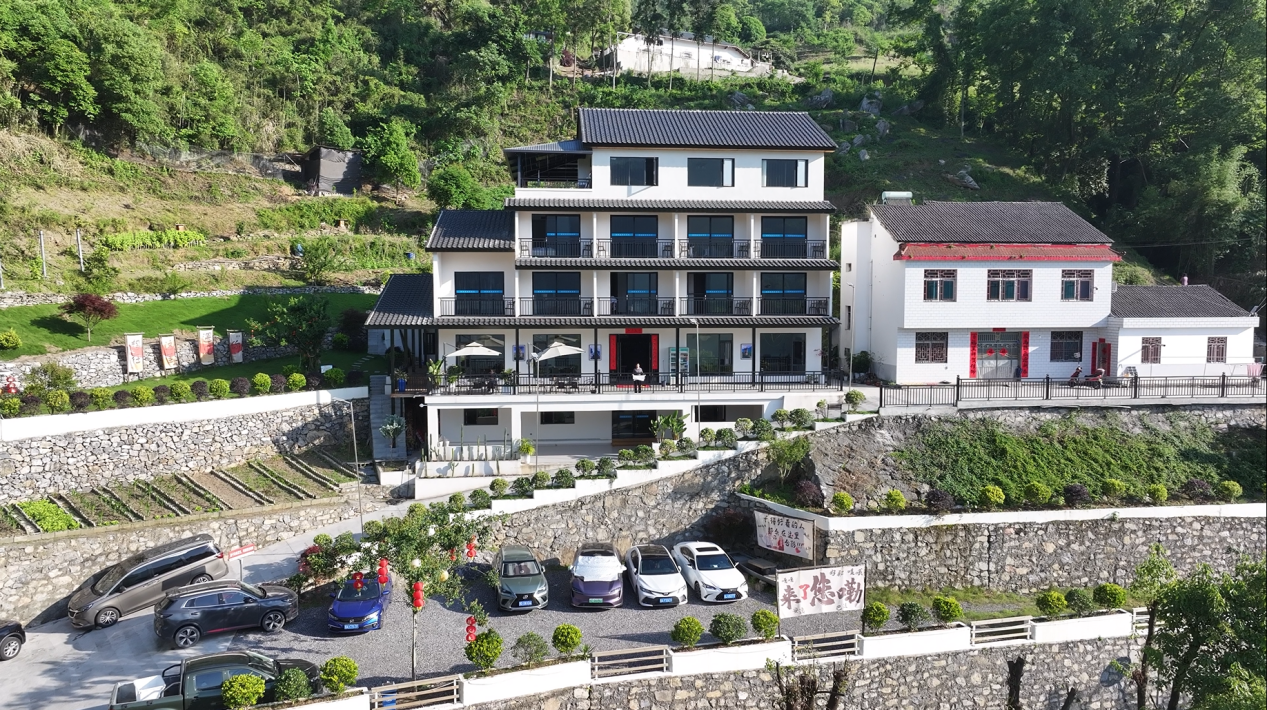
Gao Anqun’s homestay near Qing River Gallery Scenic Area
More than 1,000 homestays now line the banks. Over this year's May Day holiday, Changyang received nearly 1.12 million visitors and earned 420 million yuan (about $59 million) in tourism revenue.
Gao is planning a second building. "The river has turned greener, and our pockets have gotten fuller," she said.